
Deciding whether to invest your time and money in a professional development book requires a clear understanding of what the text delivers and how it aligns with your current career trajectory. Robert Cialdini’s Influence: The Psychology of Persuasion is widely regarded as a foundational text in social psychology and business. However, before purchasing a copy, it is essential to evaluate whether its theoretical framework and practical examples match your daily professional needs or if your current goals demand a different type of resource.
This guide provides a structured self-assessment to help you determine if Influence is the right addition to your reading list, how its core principles apply across various career paths, and what to look for when selecting the right edition.
Understanding the Core Premise: What 'Influence' Actually Teaches
At its heart, Influence explores the psychological triggers that drive people to say “yes.” Rather than offering simple negotiation tricks, the book examines the underlying cognitive shortcuts that humans use to make decisions in a complex world. Cialdini categorizes these triggers into core principles of persuasion, such as reciprocity, scarcity, authority, commitment and consistency, liking, and social proof. By understanding these principles, readers learn how compliance professionals—such as marketers, fundraisers, and sales representatives—successfully prompt specific actions from others.
Products mentioned in this guide
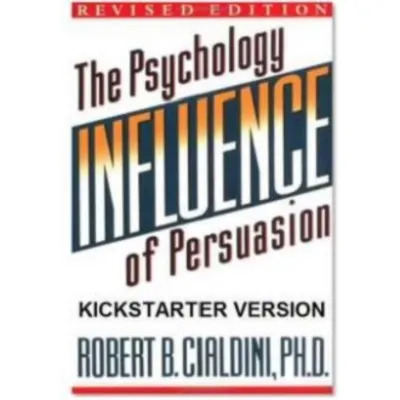
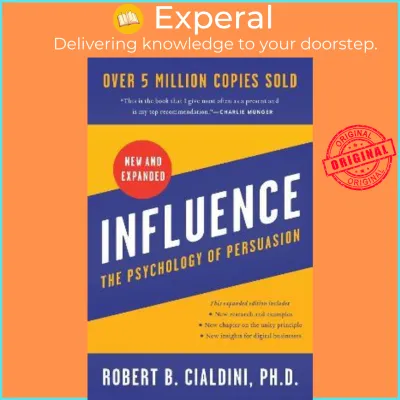
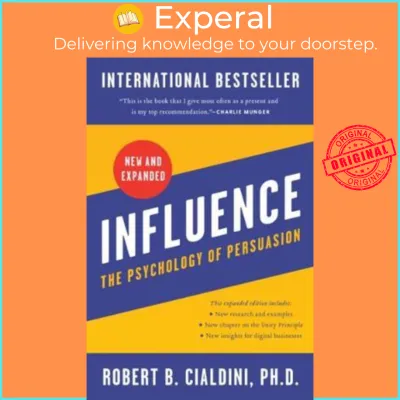
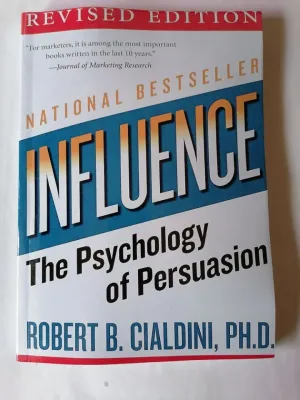
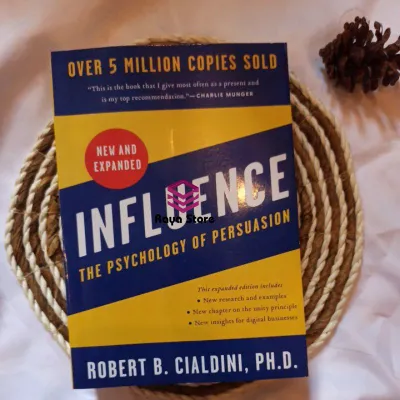
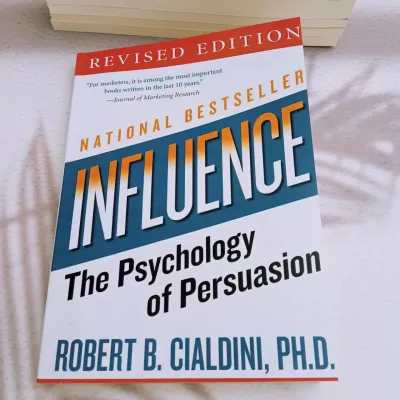
Prices are valid at publication and may change. Please refer to the product page for the latest price.
A critical aspect of the book is the distinction between ethical influence and manipulative compliance. Cialdini emphasizes that these psychological triggers are natural decision-making shortcuts designed to help individuals navigate daily life efficiently. Ethical professionals use these principles to highlight genuine value, such as pointing out real scarcity or establishing authentic authority. In contrast, manipulation occurs when these triggers are manufactured or falsified to deceive others. Learning to recognize this boundary helps readers protect themselves from unwanted compliance tactics while employing persuasive strategies responsibly in their own careers.
The book achieves a unique balance by combining rigorous academic research with accessible, real-world business anecdotes. As a social psychologist, Cialdini grounded his findings in laboratory experiments and field studies. To test these academic theories in practical environments, he also spent years participating in training programs for sales organizations, fundraising groups, and advertising agencies. This dual approach ensures that the concepts are intellectually sound yet highly applicable to everyday professional interactions, making it a valuable resource for those who want to understand the “why” behind human behavior.
Career Self-Assessment: Does Your Daily Work Require Persuasion Skills?
To determine if Influence is worth your time, it is helpful to analyze your current job function and daily responsibilities. Different career paths require varying levels of soft-skills mastery, and understanding where your role falls on this spectrum will guide your purchasing decision.

For professionals in sales, marketing, and business development, this book is highly relevant. Success in these fields depends directly on your ability to understand consumer psychology, craft compelling messages, and navigate complex negotiations. Whether you are designing a digital marketing campaign for a Singapore-based startup or pitching services to corporate clients in a multinational firm, the principles of scarcity and social proof are directly applicable to your daily workflow. The book provides the psychological foundation needed to structure offers, write persuasive copy, and close deals more effectively.
If you work in leadership, management, or human resources, your primary task is often guiding teams and aligning diverse stakeholders. In these roles, authority and commitment are vital tools. Managing cross-functional projects or driving organizational change requires motivating employees without relying solely on formal power. Influence offers valuable insights into how to build consensus, foster a collaborative workplace culture, and encourage team members to take ownership of their commitments. It helps managers understand how to frame initiatives so that employees feel naturally aligned with company goals.
Conversely, if you are in a highly technical, creative, or independent role—such as software engineering, data analysis, or specialized graphic design—the immediate utility of this book may be secondary. In these positions, your primary value is driven by specialized hard skills and technical execution. While soft skills are always beneficial for career advancement, your immediate focus might be better spent on technical certifications or mastering specific tools. If you rarely need to pitch ideas to external clients or negotiate budgets, the detailed psychological case studies in Influence might feel less urgent for your day-to-day tasks.
To help you quickly evaluate your current needs, consider the following self-check list. If you regularly perform three or more of these tasks, the book is highly likely to provide immediate professional value:
- Pitching project proposals or creative ideas to internal stakeholders or clients.
- Negotiating contract terms, project deadlines, or resource allocations.
- Writing marketing copy, email campaigns, or public-facing communications.
- Managing team dynamics, resolving workplace conflicts, or motivating direct reports.
- Designing user experiences or customer journeys that require specific user actions.
- Building strategic partnerships or networking to expand business opportunities.
When to Skip 'Influence' and Choose an Alternative Resource
While Influence is a classic in its field, it is not the ideal starting point for every reader. Recognizing when to skip this book in favor of an alternative can save you both time and money, allowing you to focus on resources that address your immediate development needs.
If you are currently looking for foundational communication advice or basic interpersonal skills, Influence might feel too specialized. Readers who struggle with active listening, public speaking, or general workplace empathy may find more value in books dedicated to basic professional communication. Before diving into the mechanics of persuasion, it is often beneficial to master the fundamentals of clear, empathetic dialogue and relationship-building.
Additionally, if you require quick, actionable templates, scripts, or step-by-step digital marketing formulas, this book may not meet your expectations. Cialdini focuses heavily on psychological theory and historical case studies to explain why persuasion works. It does not provide ready-to-use email templates or modern social media copywriting frameworks. If your goal is to immediately implement a specific marketing tactic by tomorrow morning, a tactical guide or a specialized online course might be a more efficient investment.
Finally, consider your current career stage and immediate learning priorities. If your industry is undergoing rapid technological shifts, your limited professional development time might be better spent on technical upskilling. For instance, mastering a new programming language, learning financial modeling, or obtaining a project management certification will often yield a more direct return on investment than studying soft-skills theory. You can always return to books on persuasion once your technical foundation is secure.
Selecting the Right Edition and Format Before You Buy
If you decide that Influence aligns with your professional goals, the next step is selecting the right version to ensure a productive reading experience. Because this book has been updated multiple times since its original publication, verifying the edition and format is crucial before making a purchase.
When browsing online marketplaces or local bookstores, pay close attention to the edition details. The original classic version is widely available, but expanded and updated editions offer significant advantages. These newer versions often include updated research, modern examples that reflect digital business environments, and entirely new chapters exploring how persuasion operates online. Before buying, check the table of contents and publication date to ensure you are getting the version that best suits your learning preferences.
Your choice of format should also align with your lifestyle and study habits. A physical book is excellent for active reading, allowing you to highlight key passages, write notes in the margins, and easily reference specific sections. However, if you choose a physical copy, keep in mind that Singapore’s humid climate requires proper storage to prevent paper yellowing over time. For those who value portability and convenience, an e-book is a practical alternative that allows you to carry your professional library on your tablet or e-reader. If you have a busy commute on the MRT, an audiobook format can turn travel time into productive learning hours.
Before finalizing your purchase, always verify the language availability and regional compatibility of digital files. Ensure that the e-book or audiobook format is compatible with your specific reading device and that you are purchasing from an authorized, reputable source to guarantee complete content and high-quality formatting.
Frequently Asked Questions (FAQ)
Is 'Influence' too academic for casual readers?
While the book is written by an academic researcher and grounded in scientific studies, the writing style remains highly accessible. Cialdini avoids dense academic jargon, opting instead for engaging storytelling, personal anecdotes, and clear explanations of complex psychological concepts. Casual readers who enjoy understanding human behavior will find the narrative flow engaging, though those who prefer quick, bulleted summaries may need to adjust to the detailed case-study format.
Can the principles in 'Influence' be applied to personal relationships?
Yes, the psychological triggers discussed in the book operate in all areas of human interaction, including family dynamics and social circles. For example, understanding the principle of reciprocity can help you navigate social obligations, while commitment strategies can encourage positive habits among family members. However, because the book’s primary focus is on professional compliance, commercial transactions, and marketing, readers looking solely for relationship advice may find the business-centric examples less directly applicable to their personal lives.

Community discussion
Share your experience or ask a question. Comments are reviewed before publication.