
If you have recently closed the pages of Stephanie Garber’s Once Upon a Broken Heart and found yourself yearning for another world of whimsical magic, morally gray characters, and high-stakes emotional bargains, you are not alone. The craving for stories that balance a candy-coated aesthetic with a sharp, dangerous undercurrent is a common reader experience. While your immediate instinct might be to search for another global bestseller, a treasure trove of narrative depth awaits you closer to home within the vibrant landscape of Singaporean fiction.
Transitioning from international fantasy to local literature allows you to experience familiar, beloved tropes through a completely fresh cultural lens. Singaporean authors are increasingly crafting speculative fiction, urban fantasy, and contemporary romance that mirror the emotional intensity and imaginative world-building of your favorite books. By understanding how to decode your reading preferences and map them onto local themes, you can discover exceptional stories that resonate just as deeply. This guide will show you exactly how to navigate the local literary scene to find your next captivating read.
Decoding the Core Appeal of 'Once Upon a Broken Heart'
To find a satisfying follow-up in Singaporean fiction, you must first isolate the specific narrative elements that made Once Upon a Broken Heart so enchanting. Readers are rarely drawn to a book by its plot alone; instead, it is the combination of specific tropes, character dynamics, and atmospheric details that creates a memorable reading experience. By identifying which of these elements resonated with you the most, you can establish a clear baseline for your search.
Products mentioned in this guide
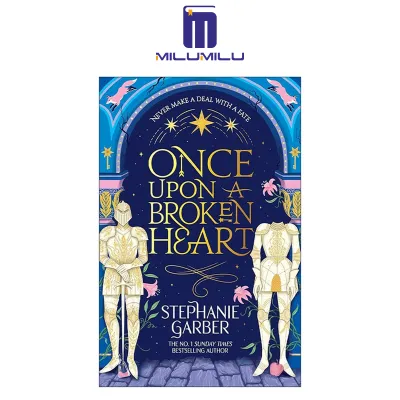
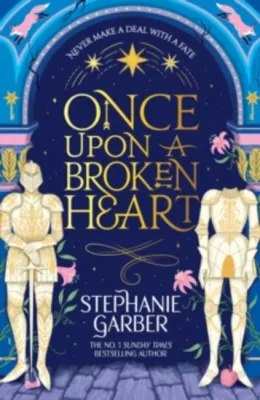
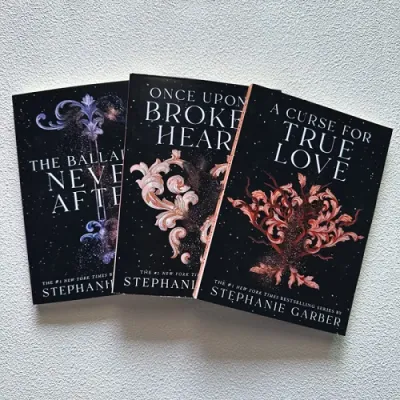
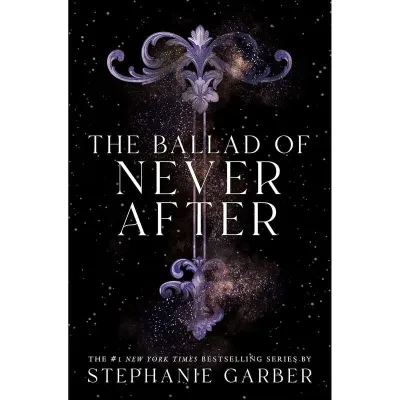
![[Qiafa][3 Books]Once Heart Series By Stephanie Garber :Once Upon A Broken Heart/A Curse for True Love/The The Ballad of Never After](https://img.lazcdn.com/g/p/d0a16f0cd4cd38d60afa9c67da60e59d.jpg_400x400q80.jpg_.webp)
Prices are valid at publication and may change. Please refer to the product page for the latest price.
First, consider the whimsical yet dangerous atmosphere of the Magnificent North. Garber excels at creating settings that feel like vibrant, sugary fairy tales on the surface but harbor lethal stakes underneath. If this juxtaposition of beauty and peril is what kept you turning pages, you should look for local stories that contrast highly structured, familiar environments with hidden, magical, or eerie dimensions.
Second, analyze your reaction to the character dynamics, particularly the morally gray romantic interest. The appeal of a character like Jacks, the Prince of Hearts, lies in his unpredictability, his hidden vulnerabilities, and his willingness to cross ethical lines for his goals. If your primary reading joy comes from slow-burn, tension-filled relationships where trust is a fragile commodity, your search should prioritize character-driven narratives over purely plot-focused adventures.
Third, examine the role of magical contracts, curses, and binding promises. The plot of the reference novel is driven by the consequences of a desperate bargain. This trope of the “fatal deal” or the “ironclad curse” is a powerful narrative engine that translates beautifully into mythological and folklore-inspired fiction, where characters must navigate the strict, often unforgiving rules of supernatural entities.
Once you have prioritized these elements, you can translate them into actionable search terms. Instead of browsing broad, generic categories, combine your preferences into targeted search strings. For example, pairing “Singapore speculative fiction” with “dark fantasy” or searching for “Southeast Asian urban fantasy” will yield far more relevant results in local library catalogs and bookstore databases than a simple search for fiction.
Matching Your Preferences to Singaporean Fiction Themes
Singapore’s literary ecosystem has expanded dramatically over recent years, offering rich alternatives that align with the emotional and fantastical elements of international speculative fiction. By understanding how local writers approach these genres, you can easily identify which thematic directions match your personal reading profile.

Mythology and Folklore Adaptations Instead of relying on traditional Western fairy tales, Singaporean speculative fiction frequently draws inspiration from the rich tapestry of Southeast Asian mythology, Chinese folklore, Malay legends, and Indian epics. These stories often feature ancient spirits, deities, and supernatural curses operating within a modern tropical landscape. The transition from a Western fairy-tale setting to a regional mythological framework offers a fresh yet structurally familiar experience. You will find the same high-stakes bargains and magical rules, but they are governed by local lore, offering a unique atmosphere where lush, humid jungles and historic urban spaces replace the frozen castles of the North.
Contemporary Romance and Emotional Complexity If the intense emotional stakes and romantic tension of your favorite fantasy novels are what you crave most, do not overlook Singapore’s contemporary fiction scene. Local romance and drama often focus on intricate relationship dynamics, exploring the friction between personal desire and societal expectations, family obligations, or modern urban isolation. These stories provide deep emotional resonance and complex character growth, proving that a story does not require magic to deliver high-stakes romantic tension. The slow-burn development and witty dialogue found in these novels offer a highly satisfying experience for readers who value character relationships above all else.
Magical Realism and Urban Speculation A distinct hallmark of Singaporean fiction is the seamless integration of speculative or magical elements into highly recognizable, modern urban settings. Rather than taking place in entirely fictional secondary worlds, these stories often superimpose the supernatural onto the everyday reality of Singapore. Imagine magical portals hidden within high-rise public housing estates, or ancient curses affecting modern transit networks. This subgenre provides a compelling parallel to whimsical fantasy world-building, replacing enchanted forests with concrete towers that harbor their own deep secrets and hidden dangers.
Verifying Editions, Formats, and Content Completeness
When exploring local literature, especially works published by independent presses or smaller regional houses, it is crucial to evaluate the book’s technical specifications before making a purchase. This ensures that the physical or digital edition you receive meets your expectations for quality and content integrity.
Language and Translation Integrity Singapore is a multilingual nation with a rich literary output in English, Malay, Chinese, and Tamil. When browsing local catalogs, always verify the original publication language of the book. If you are interested in a translated work, take a moment to check the publisher’s details. Ensure that the translation is authorized, complete, and unabridged. A high-quality translation will preserve the author’s original tone, stylistic nuances, and emotional depth, which are essential for enjoying character-driven fiction.
Evaluating Content and Thematic Alignments Unlike mainstream international releases that often carry highly standardized age ratings and extensive online reviews, local fiction can vary widely in its thematic intensity and target audience. Before purchasing, review the official publisher synopsis and look for independent thematic tags. This step is particularly important if you prefer the whimsical, young-adult-adjacent tone of Once Upon a Broken Heart and want to avoid accidentally purchasing highly graphic, dark, or politically heavy adult speculative fiction that may not align with your current reading preferences.
Format Compatibility and Regional Restrictions Local literature is available in various formats, including physical paperbacks, e-books, and occasionally audiobooks. If you prefer digital reading, verify the specific file format (such as EPUB) and check for Digital Rights Management (DRM) restrictions. Some local digital editions may be locked to specific regional platforms or proprietary e-reader devices. Always confirm compatibility with your preferred e-reader or tablet before completing a transaction. For physical copies, check the binding quality and print edition details, as some independent runs may offer unique cover designs or exclusive author notes that enhance the collecting experience.
Building a Conditional Shortlist Based on Your Tropes
To help you systematically discover your next read, use this structured decision framework based on your primary reading preferences. By identifying your dominant trope, you can follow a targeted path to find the most compatible Singaporean fiction.
If you prefer magical world-building, curses, and folklore:
- Search Strategy: Focus your search on local independent publishers that specialize in speculative fiction, urban fantasy, and mythic anthologies.
- What to Look For: Seek out novels or short story collections that feature modern protagonists interacting with mythological figures, navigating supernatural contracts, or discovering hidden magical societies within the city.
- Verification Check: Ensure the book features a cohesive magic system or a clear mythological framework rather than purely abstract surrealism, which may not satisfy the narrative drive you enjoyed in Garber's work.
If you prefer intense romantic tension, emotional depth, and character growth:
- Search Strategy: Direct your search toward contemporary Singaporean fiction, drama, and modern romance.
- What to Look For: Look for stories centering on complex relationship dynamics, forbidden love, or characters overcoming deep personal trauma. Pay attention to books that emphasize witty dialogue and slow-burn emotional development.
- Verification Check: Read the publisher's blurb to confirm that the romantic arc is a central focus of the narrative rather than a minor subplot in a historical or political drama.
Sourcing and Supporting Local Authors: Once you have identified potential titles, prioritize sourcing them through channels that directly support the local literary community. Visiting independent physical bookstores in Singapore is highly recommended, as these shops often dedicate prominent shelves to local writing and employ knowledgeable staff who can offer personalized recommendations. Alternatively, you can utilize the National Library Board catalog to borrow physical or digital copies, or purchase directly from the official online stores of local publishers to ensure the creators receive their fair share of the proceeds. Expect standard physical paperback prices to range from S$15 to S$25, depending on the publisher and edition.
Frequently Asked Questions (FAQ)
Where can I reliably source Singaporean fantasy and romance books?
You can find authentic copies of Singaporean fiction through several reliable channels. Physical independent bookstores located in cultural districts often carry the most comprehensive selections of local speculative fiction and romance. For digital convenience, official online stores operated by Singapore-based publishers offer direct shipping and verified e-book formats. Additionally, the National Library Board provides extensive digital and physical access to local titles. Always avoid unauthorized digital download sites or unverified third-party sellers on online marketplaces to ensure you are supporting the authors and receiving complete, high-quality editions.
How can I use local literary awards to filter high-quality fiction?
Local literary accolades, such as the Singapore Literature Prize, serve as excellent filters for discovering exceptional writing. To use these awards effectively, browse the shortlists and winner announcements from recent years, specifically focusing on the English Fiction category. When evaluating a shortlisted book, verify its publication year and read the judges’ citations, which often highlight the book’s thematic depth, prose style, and emotional impact. This method helps you bypass generic listings and identify well-crafted stories that match the high narrative standards of international bestsellers.

Community discussion
Share your experience or ask a question. Comments are reviewed before publication.