
If the tempestuous relationship between Catherine and Heathcliff and the bleak, wind-whipped landscapes of Emily Brontë’s masterpiece have left you craving more stories of destructive passion and haunting atmospheres, you do not need to limit your search to Victorian England. The core appeal of the gothic genre—the intense psychological dread, the weight of ancestral secrets, and environments that mirror the internal turmoil of the characters—transcends geographical boundaries. By turning your attention to the vibrant literary landscape of Singapore, you can discover a unique and evocative subgenre known as the Tropical Gothic.
While classic gothic literature relies on cold, desolate moors and crumbling stone castles, Singaporean writers adapt these familiar tropes to a Southeast Asian context. The resulting stories offer the same high-stakes emotional intensity and eerie suspense, but swap the chilly English fog for oppressive heat, dense jungle canopies, and historical estates steeped in colonial legacy. Exploring this regional variation allows you to experience the familiar thrills of dark romance and psychological suspense through a fresh, culturally rich lens. Understanding how to navigate this genre will help you identify compelling local narratives that capture the very essence of what makes classic dark fiction so unforgettable.
Defining the Tropical Gothic and Dark Romance in Singaporean Fiction
To appreciate how Singaporean literature mirrors the dark romance of classic Victorian novels, one must first understand how local writers redefine the gothic setting. In a traditional gothic novel, the environment is defined by barren landscapes, biting cold, and isolating winter storms. In the Tropical Gothic, the source of atmospheric dread shifts to the relentless, suffocating climate of the equator. The intense heat, heavy humidity, and sudden, violent monsoon downpours serve as physical manifestations of the characters’ boiling passions and internal conflicts. Instead of freezing in a snowstorm, characters are trapped by torrential rains, their isolation amplified by the thick, heavy air that makes every breath feel deliberate and loaded with tension.
Products mentioned in this guide
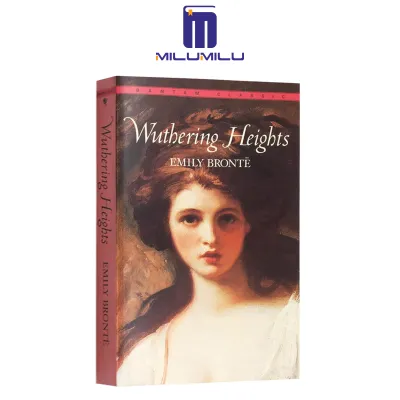





Prices are valid at publication and may change. Please refer to the product page for the latest price.
Architectural elements also undergo a fascinating transformation. The ruined castles and decaying manors of Europe are replaced by structures that carry their own deep historical weight. Writers often set their dark romances within crumbling colonial black-and-white bungalows, aging rubber plantation estates, or shadow-filled pre-war shophouses. These spaces, designed to keep the tropical elements at bay, instead become pressure cookers for family drama and forbidden desires. The rapid physical decay caused by the climate—where mold, rust, and aggressive vegetation quickly reclaim abandoned structures—mirrors the moral and psychological decay of the families residing within them.
Furthermore, Singaporean dark fiction seamlessly integrates local folklore, spiritual beliefs, and ancestral superstitions to heighten the sense of psychological dread. While a Western gothic novel might feature a traditional ghost or a family curse, a local narrative might draw upon animistic traditions, ancestral spirits, or regional supernatural entities. These spiritual elements are rarely just simple jump scares; instead, they are deeply intertwined with the characters’ psychological states, representing repressed guilt, cultural anxieties, and the inescapable weight of the past. This fusion of spiritual tension and romantic obsession creates a unique atmosphere where the line between the psychological and the supernatural is permanently blurred.
Key Themes to Look for in Local Dark Fiction
When searching for Singaporean novels that capture the spirit of classic dark romance, focusing on specific thematic markers will guide you to the right books. The most prominent of these themes is the presence of destructive obsession and stark class divides. Just as the wealth gap and social hierarchies of Victorian society fueled the tragic trajectory of Catherine and Heathcliff, local narratives frequently explore the rigid social structures of Singapore’s past and present. Look for stories where love develops across forbidden boundaries—whether defined by colonial-era racial and economic divides, or modern-day class distinctions—and where this love curdles into a desperate, controlling obsession that threatens to destroy everyone involved.

Another crucial element is the use of isolated, trapping environments. In a highly urbanized city-state, isolation takes on a different character than it does in the vast English countryside. Local writers often achieve this sense of confinement by setting their stories on remote offshore islands, within gated family compounds, or inside high-density residential spaces where proximity only breeds secrecy and paranoia. These settings cut the characters off from the safety of broader society, forcing them to confront their worst impulses and amplifying the psychological thriller aspects of the narrative. The physical boundaries of the setting become a crucible, accelerating the emotional conflict to a boiling point.
Finally, generational trauma and multi-generational secrets are central to the structure of local dark fiction. Gothic stories are almost always about the past refusing to stay buried. In Singaporean literature, this often manifests as family secrets that span multiple historical eras, such as the colonial period, the hardships of the mid-twentieth century, and the rapid modernization of the late twentieth century. Characters in these novels find themselves haunted by the decisions of their ancestors, forced to play out old rivalries and suffer for sins committed decades prior. If you enjoy complex, non-linear plots where the mysteries of the past slowly unravel to explain the tragedies of the present, this thematic focus will deliver the depth you seek.
How to Discover and Select Singaporean Gothic Novels
Because the Tropical Gothic is a specialized subgenre, finding these titles requires a more targeted approach than simply browsing the bestseller shelves. A highly effective starting point is to explore the catalogs of independent local publishers and literary imprints. Publishers based in Singapore are deeply committed to nurturing local voices and frequently champion speculative fiction, literary thrillers, and dark historical romance that larger international houses might overlook. By visiting the websites of these independent presses, you can browse their fiction sections for titles that explicitly mention gothic elements, psychological suspense, or historical mysteries in their synopses.
When utilizing digital resources, such as online book directories or the National Library Board of Singapore’s digital catalog, your search strategy should combine geographical and genre-specific terms. Instead of searching broadly for “gothic romance,” try inputting targeted search queries such as “Singapore gothic,” “tropical gothic,” “Singapore historical thriller,” or “speculative fiction Singapore.” These precise combinations will help filter out mainstream contemporary romance and direct you toward works that prioritize atmosphere, tension, and dark themes. Additionally, many digital library platforms offer curated reading lists compiled by local librarians, which frequently feature dark or atmospheric local fiction.
Another reliable method for identifying high-quality dark narratives is to review the shortlists and winners of national literary awards, particularly in the English fiction categories. Prestigious local awards celebrate literary excellence and often highlight novels that push the boundaries of genre. Look for nominated works that are described as atmospheric, historical, or psychologically complex. Even if a book is not explicitly labeled as “gothic” by the award committee, a review of its plot summary will quickly reveal if it contains the elements of isolation, intense romantic tension, and historical haunting that appeal to fans of classic dark fiction.
Reading Expectations and Content Advisories
Before diving into Singaporean dark fiction, it is important to set your expectations regarding content and style to ensure a rewarding reading experience. Because the gothic genre inherently deals with the darker aspects of human nature, local works often explore intense themes. These can include the harsh realities of colonial exploitation, the trauma of historical conflicts, and intense psychological distress. It is highly recommended to check for content advisories or reader reviews beforehand if you wish to avoid specific sensitive topics, as local writers do not shy away from the grim realities of their historical settings.
Additionally, a basic appreciation of the historical context will significantly enrich your reading. Local gothic novels are often deeply rooted in specific periods of Singapore’s history, such as the pre-war plantation era, the Japanese Occupation, or the turbulent years leading up to independence. Understanding that these historical backdrops carry real-world weight helps clarify the motivations of the characters and the origins of the societal pressures they face. The historical setting is never just decorative; it is the very engine that drives the plot’s conflicts and shapes the characters’ worldviews.
Finally, pay attention to the linguistic style of the text. Singaporean literature is celebrated for its rich, multicultural voice, which often incorporates localized dialogue, historical vernacular, or phrases from various local languages and dialects. For some readers, this linguistic tapestry adds an unparalleled layer of authenticity and immersion, grounding the gothic atmosphere in a tangible reality. For others, it may require a brief adjustment period. Embracing this stylistic diversity is key to fully appreciating how local authors adapt a traditionally Western genre into a powerful, uniquely Singaporean art form.
Frequently Asked Questions (FAQ)
How does the tropical climate influence the gothic atmosphere in local fiction?
In local fiction, the tropical climate acts as an active force that shapes the narrative’s mood and pacing. Instead of the cold, dry isolation of European gothic settings, writers use extreme heat and sudden, heavy monsoon rains to create a sense of physical and emotional claustrophobia. The weather traps characters together in confined spaces, forcing their hidden tensions to rise to the surface. Furthermore, the rapid growth of tropical jungle foliage and the quick decay of buildings in high humidity serve as visual metaphors for secrets being buried, forgotten, or slowly rotting away, mirroring the internal decay of the characters themselves.
Are there direct local adaptations of classic gothic novels?
While some writers may occasionally draw direct inspiration from specific classic texts, most Singaporean gothic novels are entirely original stories rather than direct geographical retellings of books like Wuthering Heights. Instead of looking for identical plot points or character names, readers should seek out thematic parallels. These include intense, obsessive relationships, a focus on class divides, ancestral secrets, and an atmospheric setting that reflects the psychological state of the characters. Local fiction adapts these universal gothic tropes to create entirely new narratives rooted in the history, culture, and geography of Southeast Asia.

Community discussion
Share your experience or ask a question. Comments are reviewed before publication.