
To find the right bag size for an 88-key beginner keyboard, you must measure the physical length, depth, and height of your specific instrument rather than relying solely on the “88-key” label. Keyboards vary significantly in chassis size, from slim digital pianos to bulky workstation-style beginner models. Matching these exact dimensions to the internal dimensions of a bag ensures a secure fit that protects your keys during transport and storage.
Choosing an ill-fitting bag can lead to unnecessary wear on your instrument. A bag that is too tight puts constant pressure on the outer keys and control knobs, while an oversized bag allows the keyboard to slide around, increasing the risk of impact damage. Taking a few minutes to measure your gear and understand bag specifications will help you make a smart, lasting purchase.
Measure Your Keyboard's Actual Dimensions
Before browsing online marketplaces or visiting a local music shop, you need to establish the exact physical baseline of your keyboard. Do not rely on generic category sizes, as two different 88-key models can vary by ten centimeters or more in length. Use a reliable metal measuring tape to record the maximum length from the far-left edge to the far-right edge of the chassis.
Products mentioned in this guide
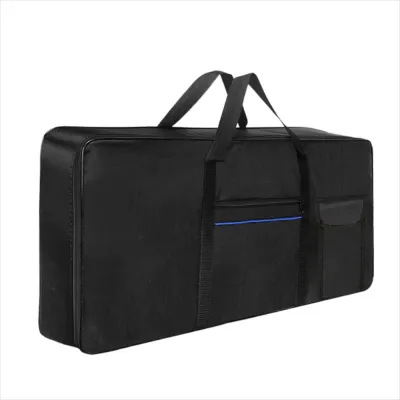
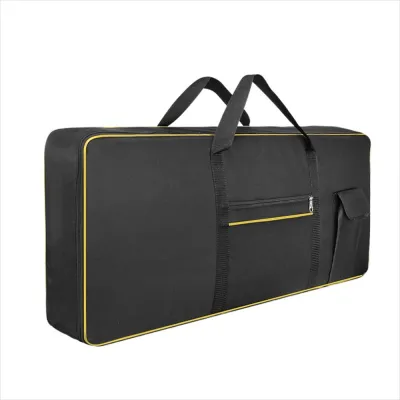
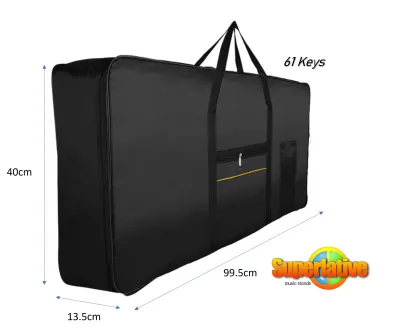
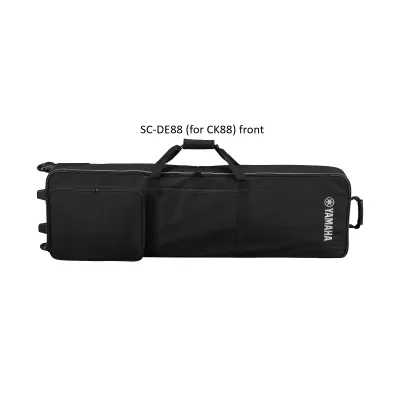
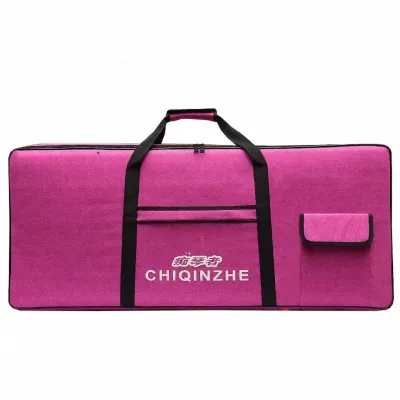
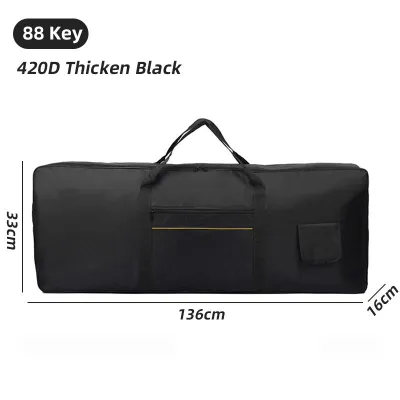
Prices are valid at publication and may change. Please refer to the product page for the latest price.
Next, measure the depth of the keyboard from the front of the keys to the very back of the casing. Be sure to include any protruding elements in this measurement, such as master volume knobs, pitch bend wheels, or modulation sliders that extend beyond the main frame. If these parts are squeezed against a tight bag wall, they can easily bend or snap during transit.
Height is the final critical dimension to record. Measure from the flat bottom surface of the keyboard to the highest point on the top panel. If your keyboard features a raised control console or a fixed music rest bracket that cannot be detached, make sure your height measurement accounts for these peaks.
Once you have your physical measurements, compare them against the manufacturer’s official specification sheet. You can usually find these dimensions in your user manual or on the brand’s official website. Verifying your physical measurements against the official specifications helps eliminate any measuring errors and ensures you have a reliable set of numbers before shopping.
Understand Bag Dimensions and Fit Styles
When shopping for an 88-key keyboard bag, you will encounter two sets of measurements in product listings: internal dimensions and external dimensions. The internal dimensions represent the actual usable space available for your instrument. Always use the internal dimensions as your primary point of comparison, as thick padding can make the external footprint of the bag significantly larger.

Keyboard bags generally fall into two categories: model-specific form-fitting cases and universal gig bags. Form-fitting bags are tailored to the exact contours of specific keyboard models, offering a snug, movement-free fit. Universal 88-key bags are designed to accommodate a wide range of brands, meaning they often feature more generous dimensions to fit bulkier instruments.
To ensure a smooth fit in a universal bag, you should aim for a small clearance allowance. Add approximately one to two centimeters to your keyboard’s length, depth, and height measurements when comparing them to a bag’s internal dimensions. This minor buffer allows you to slide the keyboard in and out of the bag easily without straining the zippers or seams.
However, avoid buying a bag with excessive clearance. If a bag is five or ten centimeters too long, your keyboard will slide back and forth with every step you take. This constant shifting shifts the center of gravity, making the bag uncomfortable to carry and exposing the ends of your keyboard to repeated impacts against the interior walls.
Match Protection Levels to Your Transport Needs
Your choice of bag should align with how you plan to transport and store your keyboard. If you primarily keep your instrument at home to protect it from dust, or if you only transport it occasionally in the back seat of a car, a lightweight, unpadded soft gig bag may be sufficient. These bags offer basic scratch protection and are highly affordable, often costing under S$50.
For beginners who commute to weekly music lessons, participate in school ensembles, or travel on public transport, a heavily padded gig bag is highly recommended. Look for bags featuring dense foam padding between 10mm and 20mm in thickness. This layer absorbs minor bumps and drops, safeguarding the delicate internal electronics and key mechanisms from daily wear.
If you opt for a universal bag that has a little extra room, check for integrated interior security straps. These adjustable straps buckle over the top of the keyboard to hold it firmly against the back of the bag. This prevents the instrument from shifting during transit, keeping the weight balanced and reducing the risk of cosmetic or structural damage.
Environmental factors are also crucial, especially in humid or rainy climates. High humidity and sudden downpours can easily damage sensitive electronic contacts. Look for bags constructed from water-resistant exterior fabrics, such as high-denier polyester or nylon, and inspect the zippers to ensure they feature protective fabric flaps that keep moisture out.
Plan for Accessories and Extra Storage
A keyboard is rarely transported alone; you will almost always need to carry essential accessories along with it. When evaluating different bags, look for dedicated external storage compartments. Having separate pockets for your power adapter, sustain pedal, and audio cables prevents these heavy metal and plastic items from scratching your keyboard’s finish inside the main compartment.
Many beginner keyboard players also need to carry sheet music, instructional books, or a tablet. Look for a bag that features a wide, flat exterior pocket designed to keep books and papers flat and dry. Some advanced gig bags even feature specialized straps or sleeves on the exterior to secure a lightweight, collapsible keyboard stand, allowing you to carry your entire setup in one trip.
Finally, consider the ergonomics of the bag when it is fully loaded. An 88-key keyboard can be heavy and awkward to carry over long distances. Ensure the bag features comfortable, padded backpack straps or a thick, reinforced shoulder strap to distribute the weight evenly across your body. Robust, padded side handles are also essential for lifting the bag safely into vehicles or onto storage shelves.
Frequently Asked Questions (FAQ)
Can I use a 76-key bag for an 88-key keyboard?
No, you cannot use a 76-key bag for an 88-key keyboard. A 76-key bag is physically shorter because it is designed for instruments with fewer keys. Attempting to force a longer 88-key keyboard into a smaller bag will put extreme pressure on the outer keys, bend the chassis, and likely split the bag’s zippers or seams, leaving your instrument unprotected.
How do I clean and maintain a padded keyboard bag?
Always check the manufacturer’s care label inside the bag before cleaning. For general maintenance, spot clean the exterior and interior surfaces using a damp microfiber cloth and a mild, diluted soap. Avoid machine washing, tumble drying, or using harsh chemical detergents, as these processes can break down the protective foam padding and strip away water-resistant coatings.
Should I remove the music stand before bagging the keyboard?
Yes, you should always remove any detachable music stands or wire music rests before placing your keyboard in its bag. Leaving the stand attached can scratch the control panel, bend the mounting slots, or puncture the bag’s interior lining during transport. Store the detached music stand safely in one of the bag’s outer accessory pockets instead.

Community discussion
Share your experience or ask a question. Comments are reviewed before publication.