
Selecting a quality cajon drum box requires looking beyond aesthetic finishes to evaluate the internal mechanics, wood choices, and structural assembly. Because the cajon serves as both a percussion instrument and a seat, its construction directly dictates its acoustic projection, dynamic range, and physical durability. By understanding how specific technical specifications translate into real-world performance, you can identify an instrument that matches your playing style and stands up to years of use.
Rather than relying solely on brand names, experienced players evaluate a cajon by examining its shell density, frontplate sensitivity, snare configuration, and joint construction. This checklist breaks down these critical specifications, helping you verify the build quality of any model before making your purchase.
Shell Materials and Ply Thickness: Evaluating the Bass Chamber
The main body, or shell, of the cajon acts as the primary acoustic chamber. The density and thickness of the wood used here determine the depth of the bass tones and the overall structural rigidity of the instrument. High-quality shells are typically constructed from dense hardwoods like birch or beech, which provide a clean, punchy low-end and excellent projection. Mahogany is another premium option, favored for its warm, dark resonance.
Products mentioned in this guide
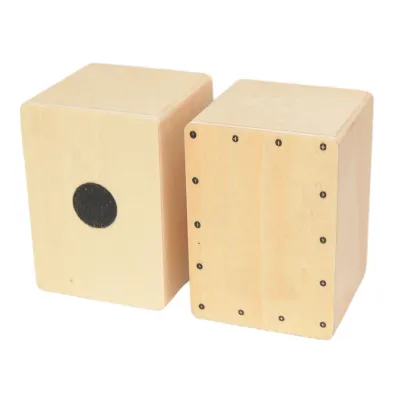
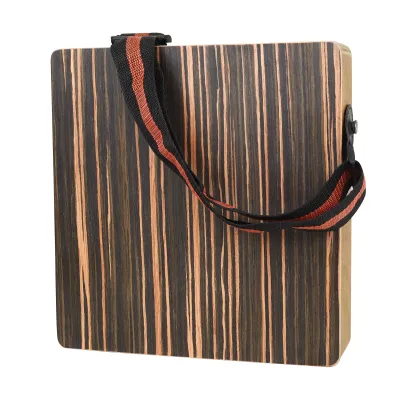

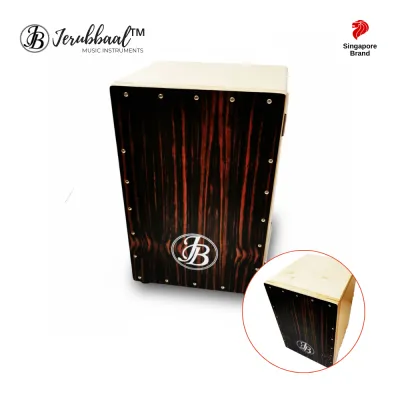
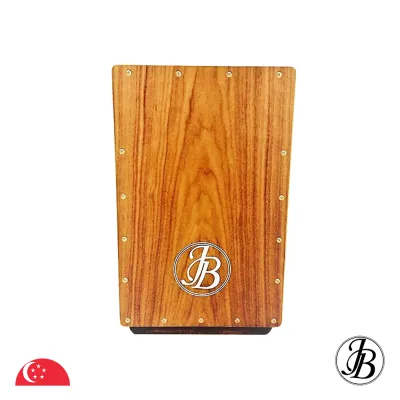
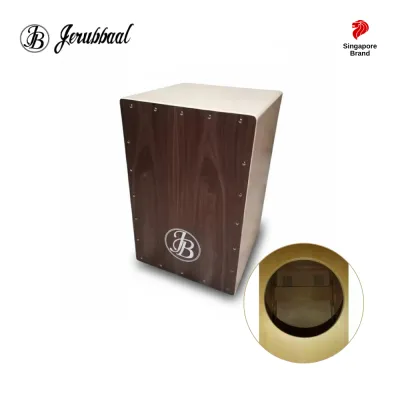
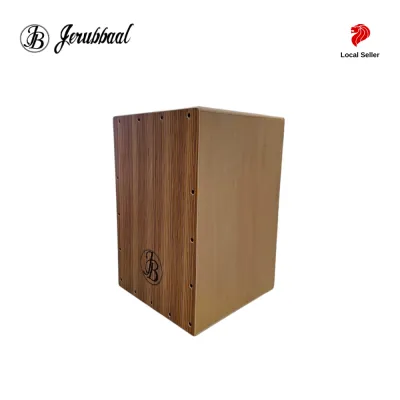
Prices are valid at publication and may change. Please refer to the product page for the latest price.
In contrast, entry-level models often utilize medium-density fiberboard (MDF) or cheaper plywood blends. While MDF offers a uniform density and a highly stable structure, it lacks the natural resonance and complex overtones of solid hardwoods or multi-ply birch. When reviewing specifications, look for explicit wood types rather than generic terms like “hardwood” or “tonewood.”
Shell thickness is equally critical. Most durable cajons feature a shell thickness between 9mm and 12mm, constructed from multiple plies. A thicker shell focuses the internal air pressure, forcing the sound waves out of the sound port rather than absorbing them through the walls. This structural rigidity also ensures the instrument can safely support your body weight during long playing sessions.
Snare Mechanisms: Deciding Between Strings, Wires, and Snare-Free
The snare mechanism inside the cajon is responsible for the sharp, buzzing sound that mimics a snare drum when you strike the top edge of the instrument. Choosing the right system depends on the specific musical genres you play and your preference for tonal separation.

Guitar string systems, often associated with Flamenco-style cajons, utilize two or more metal strings stretched vertically against the back of the playing surface. These systems deliver a crisp, sensitive sizzle that is highly responsive to light finger rolls. Many quality models feature adjustable tension screws on the bottom or back, allowing you to tighten or loosen the strings to control the amount of buzz.
Snare wire systems use cut-half snare drum wires pressed against the frontplate. This design produces a modern, aggressive crack that closely resembles a standard drum kit snare. Some manufacturers install adjustable levers or knobs that let you pull the wires completely away from the wood, instantly converting the instrument into a traditional, snare-free Peruvian cajon.
Traditional Peruvian cajons contain no internal snares at all. They rely entirely on the natural wood-on-wood contact to produce a clean, dry slap tone. When testing any snare-equipped model, play soft ghost notes near the center to ensure the snare does not produce an unwanted, loose rattle during pure bass strikes.
Tapa (Playing Surface) Specs: Checking for Sensitivity and Slap Tones
The front playing surface of the cajon is known as the tapa. Unlike the thick, rigid shell, the tapa must be thin and flexible—typically between 2mm and 3mm thick—to respond to the lightest hand strikes. Birch, beech, and specialized exotic veneers are popular choices for tapas due to their high tensile strength and bright acoustic response.
How the tapa is attached to the shell significantly influences the instrument’s sound. Some cajons feature a fully glued tapa, which provides a warm, integrated tone with excellent bass resonance but limits your ability to adjust the high-end response. Other designs use screws along the top corners while gluing the bottom half.
Screwed top corners allow you to customize the “slap” tone. By slightly loosening the corner screws, you create a tiny gap between the tapa and the shell frame. When struck, the wood clacks against the frame, producing a sharp, high-pitched accent. When inspecting a cajon, ensure the tapa is completely flush with the shell edges to prevent hand discomfort during play.
Sound Hole Placement: Rear vs. Front-Facing Projection
The sound hole, or port, allows the air compressed inside the shell to escape, generating the instrument’s low-frequency bass punch. The placement of this hole alters how the sound projects into the room and how well you can hear your own playing.
Rear-facing sound holes are the traditional standard. They project deep bass frequencies backward, which can bounce off rear walls to create a full, ambient room sound. This setup is highly effective for acoustic circles and studio recording, where a microphone can be placed directly behind the instrument to capture the low-end without interfering with the hand percussion on the front.
Front-facing or side-facing sound ports direct the bass energy forward toward the audience or upward toward your ears. This design is highly beneficial on quiet stages or in open-air environments where there are no rear walls to reflect the sound. It provides immediate acoustic feedback, making it easier to monitor your performance.
Regardless of placement, inspect the inner edges of the sound hole. High-quality builds feature smoothly sanded, rounded edges. Rough or sharp edges can cause air turbulence, resulting in an unwanted whistling or “chuffing” noise during heavy bass strokes, and can make carrying the instrument uncomfortable.
Hardware and Build Quality: Inspecting Joints, Feet, and Tuning
A physical inspection of the cajon’s hardware and internal joints reveals the level of craftsmanship and predicts how well the instrument will age. Peer inside the sound hole to examine the internal construction.
Look for solid, clean glue lines along the internal corners. Quality manufacturers reinforce these joints with internal wooden bracing blocks to prevent the seams from splitting under pressure. Messy glue runs, visible gaps, or splintered wood inside the chamber are clear indicators of poor quality control.
On the exterior, evaluate the rubber feet. A quality cajon should stand on thick, heavy-duty rubber feet secured with screws. These feet serve three vital functions: they prevent the instrument from sliding on smooth floors, protect the bottom wood from moisture, and acoustically isolate the shell from the floor to prevent bass energy from draining away.
Finally, test any tuning hardware. If the model features adjustable strings, the tuning pegs or hex screws should turn smoothly without slipping. Check if the manufacturer includes a dedicated tuning key and a secure storage slot for it on the instrument itself.
Aligning Cajon Specifications with Your Musical Needs
To choose the right specifications, map them directly to your primary playing environments. If you perform mostly in acoustic singer-songwriter setups, a birch shell with adjustable guitar strings offers the warm, delicate balance needed to blend with acoustic guitars.
For loud band settings or street performances, prioritize projection. A cajon with a front-facing sound port and a highly sensitive, screwed-corner tapa will deliver the cutting high slaps and forward-projecting bass required to compete with other instruments. If you plan to record in a studio, look for a model with distinct separation between the bass and snare zones to simplify microphone placement.
Physical dimensions should also factor into your decision. Standard adult cajons measure approximately 30 x 30 x 50 cm, but players with shorter torsos may find a medium or “junior” size more comfortable to sit on. If you are purchasing from an online store, verify the return policy so you can test the physical responsiveness and ergonomics in your own home before committing.
Frequently Asked Questions (FAQ)
Does a heavier cajon always mean better sound quality?
Not necessarily. While a heavier cajon often indicates the use of dense, high-quality hardwoods like beech or birch that enhance bass resonance, weight can also be added by thick MDF panels or heavy internal hardware. Sound quality is determined by the acoustic properties of the wood and the precision of the construction rather than weight alone.
Can I upgrade the snare strings on a budget cajon drum box?
It depends on the internal design of the instrument. If the cajon features an adjustable system with accessible tuning screws, you can easily replace worn strings with standard acoustic guitar strings. However, if the model uses a glued-in, non-adjustable snare wire system, modifying or upgrading the mechanism may require advanced woodworking and is generally not recommended.

Community discussion
Share your experience or ask a question. Comments are reviewed before publication.