
A beginner piano chair must prioritize adjustable height, structural stability, and firm padding. These features ensure proper alignment of the wrists and forearms with the keyboard, preventing fatigue and supporting healthy posture habits from the very first lesson. While aesthetic appeal is a nice bonus, ergonomic support is the foundation of effective practice.
Quick Answer: Essential Features for a Beginner Piano Chair
When starting your musical journey, the seat you choose directly impacts how long and how comfortably you can practice. The absolute primary requirement for any beginner piano chair is height adjustability. Because keyboards and acoustic pianos sit at fixed heights, the chair must adapt to your unique torso and arm length to keep your forearms parallel to the floor.
Beyond height, structural stability is critical. A wobbling bench distracts you and compromises your balance when reaching for high or low octaves.
Products mentioned in this guide
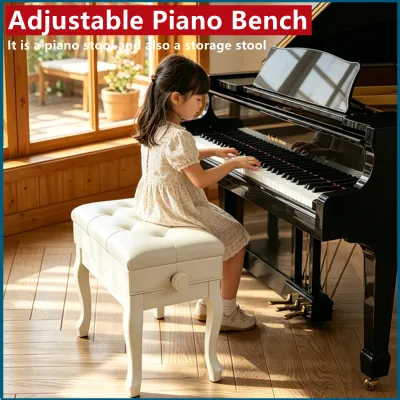
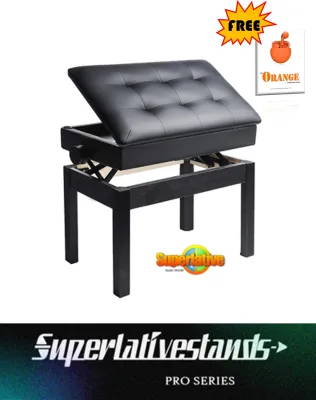
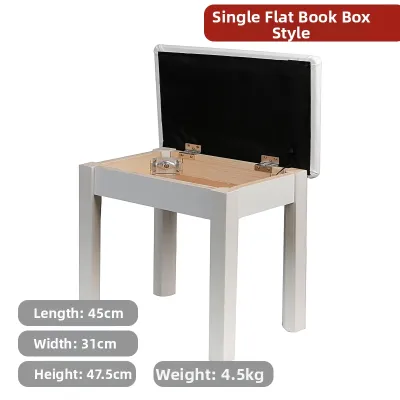
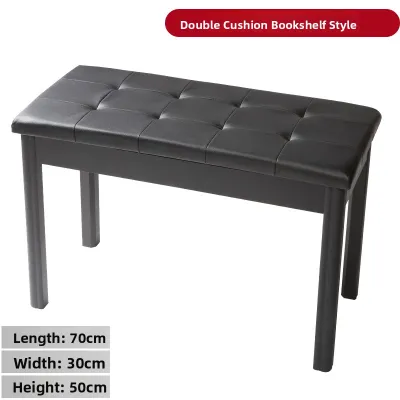
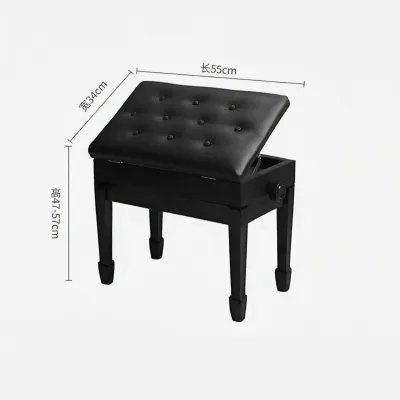
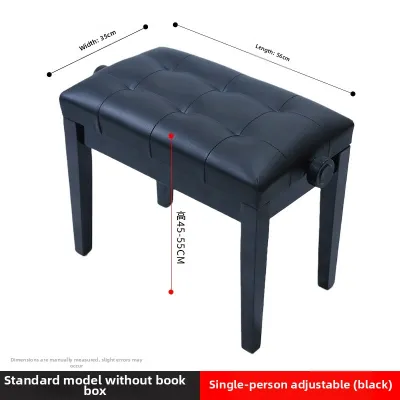
![Roland BNC-05 Adjustable Piano Bench Light Almond/Black/White High-Quality Comfortable Cushion [LIMITED STOCK]](https://img.lazcdn.com/g/p/e68acc815983342552a0506ddfb15eae.jpg_400x400q80.jpg_.webp)
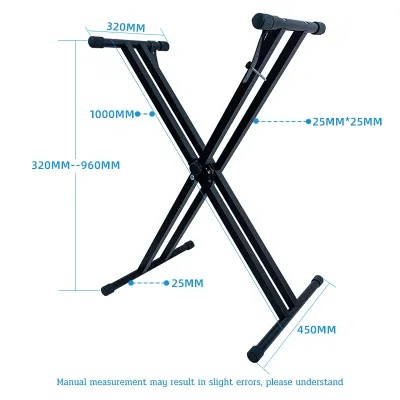
Prices are valid at publication and may change. Please refer to the product page for the latest price.
Finally, look for firm, high-density foam padding. Soft, plush cushions might feel comfortable initially, but they cause you to sink, which destabilizes your pelvis and strains your lower back over longer sessions.
Assessing Your Practice Environment and Habits
Before browsing online marketplaces or local music shops, evaluate the physical space around your instrument. If you practice on a portable digital keyboard in a multi-purpose room, a foldable, lightweight bench allows you to pack the setup away when not in use. For a dedicated acoustic piano or a heavy digital console, a permanent, fixed-leg wooden bench offers a more stable and visually cohesive option.

Your daily practice habits also dictate the level of comfort you require. If you plan to practice for short, 15-minute intervals, a basic padded stool may suffice. However, longer sessions extending past an hour demand reliable weight distribution, which is best achieved with wider seats and denser foam.
Do not overlook your flooring. Hardwood, laminate, and tiled floors are susceptible to scratches from bare metal or hard plastic feet. Look for chairs equipped with rubber end caps or felt pads to prevent slipping and protect your home’s surfaces. If your practice space is carpeted, ensure the base of the chair is wide enough to resist tipping on the softer surface.
Critical Ergonomic Features to Evaluate
Height Adjustment Mechanism
The method used to adjust your seat height affects both convenience and precision. Knob-based systems, often found on traditional wooden benches, use dual rotating dials to raise or lower the seat incrementally. This mechanical system is highly durable but requires some manual effort to turn.
Lever-activated hydraulic or pneumatic systems offer rapid, effortless adjustments, making them ideal if multiple family members of different heights share the same piano.
Bolt-lock systems, common on folding metal benches, require you to unscrew a bolt, select a pre-drilled hole, and re-tighten it. While highly secure, these offer fewer height increments and can be tedious to adjust frequently.
Seat Dimensions and Padding
A proper piano seat must support your sit bones without cutting off circulation to your thighs. Look for a seat width of at least 50 centimeters to allow lateral movement when playing across the full range of the keyboard.
The padding material should consist of high-density polyurethane foam. When you press down on the cushion, it should resist deep compression and quickly spring back to its original shape. Avoid cheap, low-density sponge padding that bottoms out under your weight, as this leads to pelvic tilt and lower back discomfort.
Base Stability and Weight Capacity
A stable base prevents micro-wobbles that disrupt your concentration and hand placement. Examine the leg spread; a wider footprint generally offers better resistance to tipping.
Heavy-duty steel frames or solid hardwood legs provide the necessary structural integrity to support dynamic playing. Check the manufacturer’s specified weight capacity to ensure the frame can safely accommodate your weight over years of daily use.
Comparing Common Piano Chair Types for Beginners
X-Style Folding Benches
X-style benches are highly popular among beginners using portable keyboards due to their affordability and portability. These benches fold flat, making them easy to store in closets or transport to lessons.
However, the folding mechanism introduces more moving parts, which can lead to minor joint play and wobbling over time. They also offer limited height settings, which might not perfectly align with your ergonomic needs.
Fixed-Leg Padded Stools
Traditional fixed-leg stools or benches offer excellent stability because they lack folding joints. They are typically constructed from solid wood or heavy metal, providing a solid foundation for your practice.
The main trade-off is their static nature; they occupy a permanent footprint in your room and cannot be easily tucked away. Some entry-level models also lack height adjustment, requiring you to verify the fixed height matches your keyboard setup before purchasing.
Storage Top Benches
Storage benches feature a hinged seat that opens to reveal a compartment for sheet music, metronomes, and notebooks. This helps keep your practice area tidy and organized.
These benches are generally heavier and bulkier than other options, making them difficult to move around. The internal storage cavity can also limit the depth of the padding, so it is vital to verify that the cushion remains sufficiently thick and supportive.
How to Test the Fit Before You Commit
To verify if a piano chair is suitable, sit on it and position yourself at your keyboard. Your elbows should sit slightly higher than or level with the keys, allowing your forearms to rest parallel to the floor. Your wrists should remain in a neutral, straight position rather than bending sharply upward or downward.
Next, observe your lower body alignment. Both of your feet must rest flat on the floor to provide a stable anchor for your posture. The front edge of the seat should not press tightly against the back of your knees, as this restricts blood flow; there should be a clear gap of a few centimeters.
Finally, perform a physical stability check. Shift your weight from side to side and lean forward as if reaching for the outer octaves. The chair should remain firmly planted without lifting its legs, creaking, or swaying. Any mechanical noise or lateral movement indicates loose joints or poor construction.
Frequently Asked Questions (FAQ)
Do beginners really need a dedicated piano chair instead of a regular dining chair?
Yes, a dedicated piano chair is highly recommended even for absolute beginners. Standard dining chairs are designed for relaxing and typically feature a backward-sloping seat that encourages slouching. They also lack height adjustment, which often forces beginners to reach upward to the keys, causing severe wrist and shoulder strain. A proper piano bench keeps your pelvis neutral and allows you to set the exact height needed for healthy arm alignment.
Is a backrest necessary for a beginner piano chair?
A backrest is not strictly necessary for active playing, as correct piano posture involves sitting on the front half of the bench and leaning slightly forward from the hips. However, a backrest can be highly beneficial during long practice sessions. It provides a comfortable place to lean back and rest your muscles between pieces, during sight-reading exercises, or while studying music theory.
How should I maintain and clean a padded piano chair?
Maintenance depends on the upholstery material. For vinyl or synthetic leather seats, wipe the surface regularly with a damp microfiber cloth and a mild soap solution, avoiding harsh chemical cleaners that can crack the material. Fabric seats should be vacuumed periodically to remove dust and spot-cleaned with a dedicated fabric cleaner. Additionally, check the underside of the chair every few months to tighten any loose bolts, screws, or adjustment knobs to preserve structural stability.

Community discussion
Share your experience or ask a question. Comments are reviewed before publication.