
Finding the right acoustic guitar strap is one of the first steps to building a comfortable, safe playing habit. As a beginner, you should focus on three core pillars: physical comfort, secure attachment to protect your instrument, and easy adjustability to support proper posture. While aesthetic designs are appealing, a strap that slips, pinches your shoulder, or detaches unexpectedly will quickly disrupt your practice sessions.
Assess Your Playing Style and Guitar Weight
Acoustic guitars vary significantly in size and weight. A large dreadnought or jumbo acoustic exerts more downward force on your shoulder than a compact parlor or travel guitar. Before choosing a strap, consider the physical dimensions of your instrument and how its weight feels when you hold it.
Your primary playing position also dictates your strap requirements. If you practice primarily while standing, your shoulder bears the entire weight of the instrument, making weight distribution critical. Even if you prefer sitting, a strap helps stabilize the guitar, preventing it from sliding off your lap and keeping the neck at a consistent angle.
Products mentioned in this guide
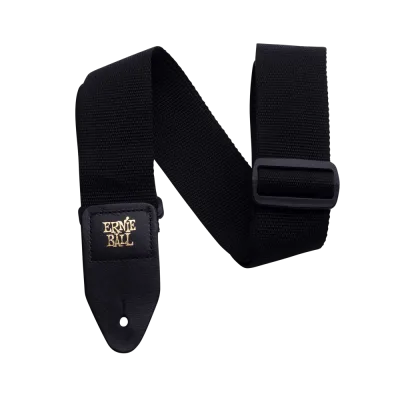
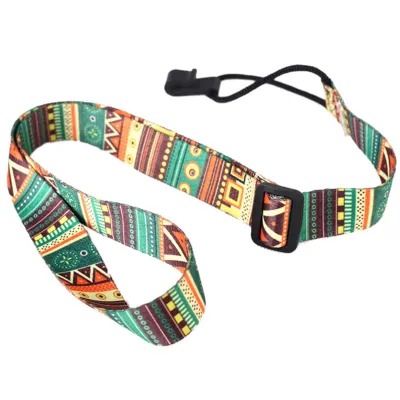
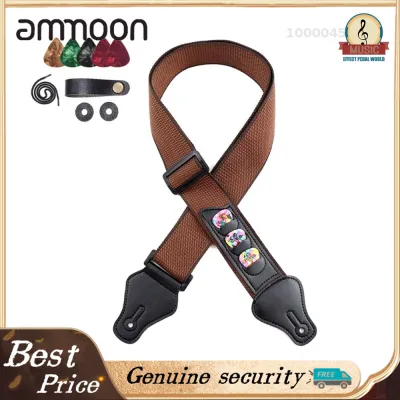
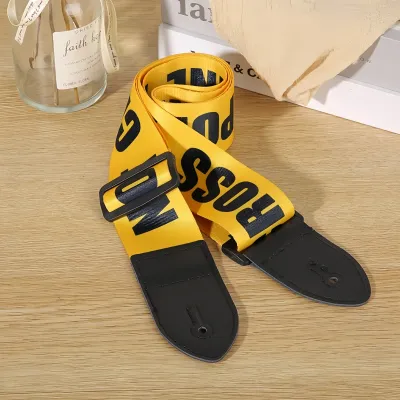
Prices are valid at publication and may change. Please refer to the product page for the latest price.
Think about your typical practice duration as well. Short sessions of fifteen minutes are forgiving, but if you plan to practice for an hour or more daily, minor discomforts will quickly turn into muscle strain. Choosing a strap tailored to your body and instrument weight from the start helps prevent fatigue.
Evaluate Width, Padding, and Material for Comfort
The width of your strap directly determines how the guitar’s weight is distributed across your shoulder. Standard straps are typically around 5 centimeters wide, which works well for lighter instruments or shorter sessions. If your acoustic guitar is on the heavier side, a wider strap of 7.5 centimeters or more helps spread the load, reducing localized pressure points.

Padding adds another layer of comfort, especially during extended practice sessions. Unpadded straps are highly portable and easy to pack into a gig bag, but padded options—often featuring neoprene, memory foam, or soft fabric linings—cushion the collarbone and shoulder muscles. If you choose a padded strap, ensure the padding is flexible enough to move with your body.
The base material also affects both durability and how the strap behaves on your shoulder. Nylon straps are incredibly durable, lightweight, and budget-friendly, but their slick texture can cause the guitar to slide easily, which might require constant adjustment. Cotton and canvas straps offer a softer, more breathable feel and provide natural friction that keeps the guitar stable.
Leather straps are highly durable and classic, gradually softening and molding to your shoulder shape over time. While they require a brief break-in period and are generally less flexible initially, they offer excellent support and longevity. Synthetic leather options provide a similar look and grip at a lower price point, though they may not soften in the same way.
Choose the Right Attachment Method for Security
A secure connection is vital to prevent your acoustic guitar from falling and sustaining costly damage. Most straps feature leather or synthetic leather ends with pre-cut keyhole slots designed to slip over the metal or plastic strap buttons on your guitar. You must verify that these slots are tight enough to hold securely but flexible enough to install without damaging the finish.
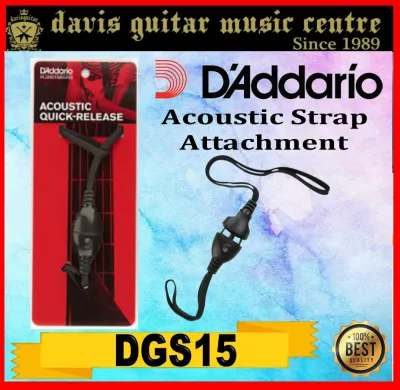
Many acoustic guitars only come with a single strap button installed at the bottom of the body. If your instrument lacks a second button near the neck heel, you will need a strap that includes a tie-end cord or a dedicated headstock adapter loop. This adapter wraps around the headstock just above the nut, underneath the strings, providing a secure anchor point without requiring you to drill a new button into the wood.
Always inspect the thickness of the strap ends. If the leather is too thick, it may not seat fully behind the flange of your guitar’s strap buttons, increasing the risk of slipping off during movement. Ensure the connection is snug and flush against the guitar body before you stand up to play.
Check Adjustability for Proper Playing Posture
Maintaining correct posture is essential for developing clean fretting and picking techniques. Your strap must adjust to a length that positions the guitar at a comfortable height, whether you are standing or sitting. Before purchasing, check the minimum and maximum length specifications of the strap to ensure it matches your height and body type.
Adjustment mechanisms vary in ease of use. Tri-glide plastic or metal sliders allow for quick, continuous adjustments, making them ideal if you share the strap or frequently change your playing position. Feed-through leather straps use a series of slots to adjust length; while highly secure and free of hard hardware that could scratch your guitar, they take longer to adjust.
If you experience persistent shoulder or neck strain, look for straps with slightly contoured or curved shapes. These ergonomic designs are tailored to follow the natural slope of your shoulder, distributing weight more evenly away from sensitive neck nerves and allowing for longer, pain-free practice sessions.
Set a Budget and Make Your Final Choice
For your first acoustic guitar strap, a practical budget of S$15 to S$40 is usually sufficient to secure a durable, comfortable, and reliable option. At this entry-level price point, prioritize structural integrity over intricate visual designs or premium brand names. A plain, well-constructed strap is always preferable to a highly decorated one with weak stitching.
Look for reinforced stitching around the buttonholes, as this is the most common failure point on budget straps. The material around the holes should feel sturdy and resistant to stretching. If the holes stretch out too quickly, the strap will lose its grip on the buttons, compromising the safety of your instrument.
When shopping at local music stores or online marketplaces, inspect the hardware quality. Avoid straps with sharp metal buckles that could easily scratch your guitar’s polished finish during storage or play. Additionally, check the retailer’s return policy so you can test the strap’s fit and comfort at home with your specific guitar before committing to it long-term.
Frequently Asked Questions (FAQ)
Do I need strap locks for an acoustic guitar?
While acoustic guitars are generally lighter than solid-body electric guitars, the risk of a strap slipping off a worn button remains. Standard strap buttons can allow the leather ends to stretch and slip over time, especially with active movement. If you want extra peace of mind without modifying your instrument, simple rubber washer-style strap blocks are an excellent, low-cost solution. These slip over the existing buttons on top of your strap, locking it firmly in place.
Can I use an electric guitar strap for my acoustic guitar?
Yes, most guitar straps are functionally interchangeable between electric and acoustic instruments. However, you must consider how the strap attaches to your specific guitar. Electric guitars almost always feature two pre-installed strap buttons, whereas many acoustic guitars only have one. If you use a standard electric strap on a single-button acoustic, you will need to purchase a headstock tie or adapter separately to secure the upper end of the strap.

Community discussion
Share your experience or ask a question. Comments are reviewed before publication.