
When shopping for your first electric piano, the sheer number of technical specifications and features can feel overwhelming. To make a confident decision, focus on the core elements that directly impact your learning experience: key action, the number of keys, and sound quality. While advanced digital effects and massive sound libraries are appealing, a beginner’s primary goal should be finding an instrument that closely mimics the feel and response of a traditional acoustic piano. This ensures you develop proper finger strength and technique from day one, setting a solid foundation for your musical journey.
Essential Specifications That Define Playability
The physical interface of an electric piano is the most critical factor in how you develop your playing habits. Beginners often face a choice between different keyboard sizes, typically ranging from 61 to 88 keys. A standard acoustic piano has 88 keys, which is the benchmark for classical music and comprehensive music education. While a 61-key or 76-key instrument is lighter and more compact, it will eventually limit your ability to play advanced pieces that require a wider range. For long-term learning and classical repertoire, starting with a full-size 88-key layout is highly recommended to avoid outgrowing your instrument too quickly.
Key action refers to the mechanical feel of the keys when you press them down. This is where electric pianos differ significantly from basic electronic keyboards. Non-weighted keys offer almost no resistance, which can lead to weak finger muscles and poor control over volume and expression. Semi-weighted keys use springs to add a bit of resistance, offering a compromise for casual playing. However, serious beginners should look for fully weighted or hammer-action keys. These keys use actual mechanical weights to replicate the physical resistance of an acoustic piano’s hammers, helping you build the necessary finger strength and dynamic control.
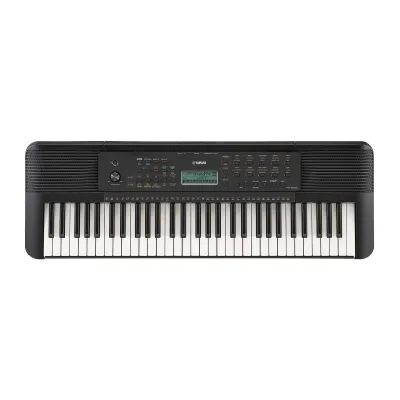
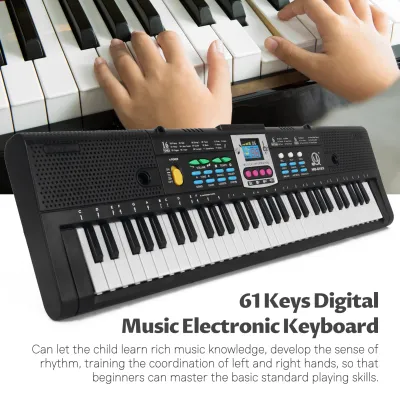
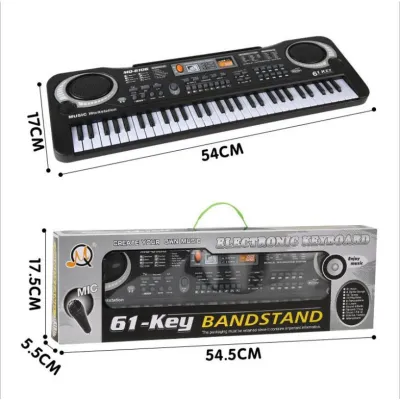
Products mentioned in this guide
![[✅SG Ready Stock] 61 Key High Quality Music Keyboard Piano kids toys new player beginner Electric Piano](https://img.lazcdn.com/g/p/1f34b80fc1c4ffa462a06ed0ad2ca2fd.jpg_400x400q80.jpg_.webp)
Prices are valid at publication and may change. Please refer to the product page for the latest price.
Another technical specification to watch is polyphony, which is the maximum number of individual notes the piano can produce at the same time. When you play a chord and hold down the sustain pedal, each note continues to ring out alongside any new notes you play. If an instrument has low polyphony, older notes will be cut off abruptly to make room for new ones, resulting in a choppy sound. For a beginner, a minimum of 64-note polyphony is recommended, though 128-note polyphony is ideal for ensuring that complex passages and sustained chords sound natural and seamless.
Sound Quality and Built-in Learning Tools
Because electric pianos do not have physical strings, they rely on digital technology to produce sound. Most instruments use sampling, which involves playing back high-quality recordings of actual acoustic grand pianos. The sophistication of the sound engine determines how realistic these samples sound. Look for instruments that feature multi-layered sampling, where the tone changes character depending on how hard you strike the key. This allows you to play with greater expression, transitioning smoothly from soft, warm tones to bright, powerful sounds.

The physical speaker system also plays a major role in how you experience the instrument’s sound. Pay attention to speaker placement and wattage, as these factors influence the clarity and depth of the audio. In high-density living environments, such as apartments in Singapore, practicing aloud is not always practical. This makes a high-quality headphone jack an essential feature. Practicing with headphones allows you to focus entirely on your playing at any hour of the day or night without worrying about disturbing family members or neighbors. Look for models that offer dual headphone jacks if you plan to take lessons with a teacher at home.
Built-in learning tools can greatly enhance your daily practice sessions without requiring immediate accessory purchases. A built-in metronome is indispensable for developing a steady sense of rhythm and timing. Basic recording functions allow you to record your playing and listen back critically, which is an excellent way to spot mistakes and track your progress. Some electric pianos also include a lesson mode or duet mode, which splits the keyboard into two identical halves with the same octave range, allowing you to play alongside a teacher or practice partner easily.
Connectivity, Form Factor, and Space Considerations
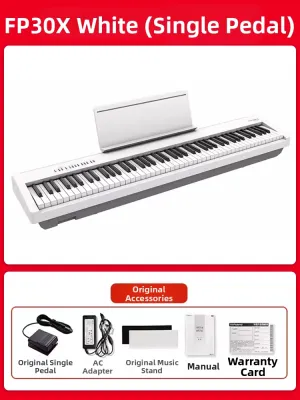
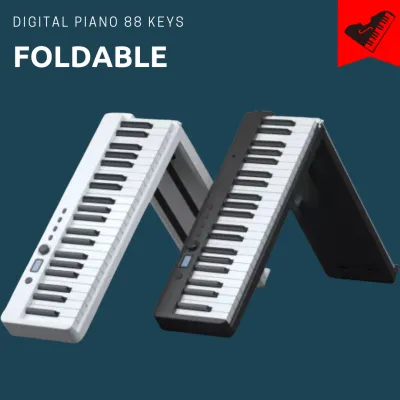
Before purchasing an electric piano, consider where it will live in your home and how much space you have available. Electric pianos generally come in two main form factors: portable slab models and furniture-style console cabinets. Slab models are compact, lightweight, and easy to move, making them ideal for smaller rooms or players who need to pack the instrument away after practice. Console cabinets are heavier and designed to remain in one place, featuring built-in wooden stands and integrated pedals that mimic the look and stability of an upright piano.
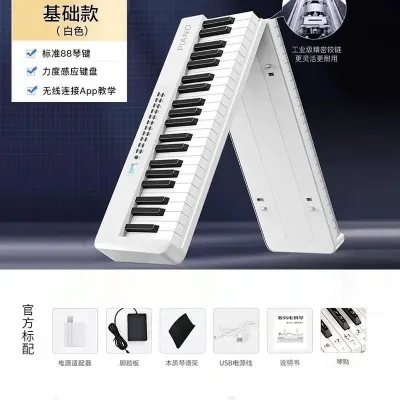
Connectivity options are crucial for integrating your electric piano with modern technology. A USB-to-host port is the standard connection used to link your piano to a computer, tablet, or smartphone. This connection allows you to use interactive learning apps, music notation software, and digital audio workstations (DAWs) for recording. Some modern instruments also offer Bluetooth MIDI or Bluetooth audio, which allows you to stream music from your phone through the piano’s speakers or connect to apps wirelessly, though a wired USB connection remains the most stable option.
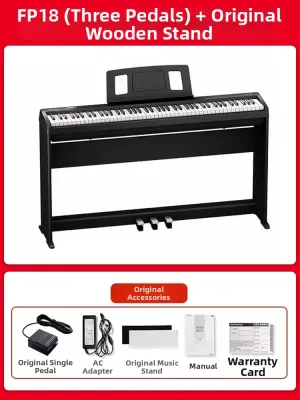
The sustain pedal is another essential component that directly affects your playing style. This pedal sustains the sound of the notes you play, allowing them to blend smoothly. When shopping, check whether a sustain pedal is included in the box. Many portable models come with a basic plastic foot switch, which can slide around on the floor and does not feel like a real piano pedal. You may want to budget for a more substantial, piano-style sustain pedal or check if the instrument is compatible with a dedicated triple-pedal unit for a more authentic playing experience.
Building Your Shortlist: Matching Features to Your Goals
To find the right electric piano, it helps to match the instrument’s features to your specific living situation and musical goals. If you are a space-conscious apartment dweller, your priority should be a compact slab design. Look for a lightweight model that can be easily set up on a folding stand and stored away when not in use. Ensure it has a reliable headphone output for quiet practice and a simple, intuitive interface that lets you focus on playing without distractions.
If you are a serious student aiming to transition to an acoustic piano or study classical music, prioritize touch and physical authenticity. Look for an 88-key instrument with fully weighted hammer action and a sturdy, dedicated wooden stand that prevents the keyboard from wobbling during intense playing. Support for a triple-pedal unit is also highly recommended, as it allows you to practice proper pedaling techniques that are essential for classical repertoire.
For the casual hobbyist interested in songwriting, music production, or exploring different genres, focus on versatility and connectivity. Look for an instrument with robust USB-MIDI connectivity, a wide variety of built-in instrument sounds (such as electric pianos, organs, and strings), and easy integration with music software. This setup allows you to use your electric piano as a MIDI controller to trigger virtual instruments on your computer.
When you are ready to make a purchase, take the time to verify the warranty terms and return policies offered by local retailers in Singapore. Visiting a physical showroom to test the key action and sound in person is highly recommended, as personal preference plays a significant role in how an instrument feels to you. Finally, set a realistic budget in S$ that includes not just the piano itself, but also essential accessories like a sturdy stand, a comfortable bench at the correct height, and a pair of quality headphones for silent practice.
Frequently Asked Questions (FAQ)
Do I really need 88 keys for my first electric piano?
While you can learn basic melodies and simple music theory on a 61-key or 76-key keyboard, an 88-key layout is highly recommended for anyone serious about learning the piano. Standard piano music is written for 88 keys, and you will quickly run out of range as you progress to two-handed pieces or classical repertoire. Starting with 88 keys ensures you do not have to buy a replacement instrument as your skills develop.
Can I use an electric piano with music learning apps?
Yes, most modern electric pianos can connect to popular music learning apps on tablets, smartphones, or computers. To do this, you will need an instrument with a USB-to-host port or built-in Bluetooth MIDI. These connections allow the app to detect the exact notes you are playing and provide real-time feedback on your accuracy and timing. Always check the app’s compatibility requirements to ensure it supports your specific piano model.
Is a built-in stand and bench necessary, or can I use a regular desk?
Using a regular desk or table is not recommended because it rarely allows for the correct ergonomic posture. A standard desk is typically too high, which forces your shoulders to tense up and your wrists to drop, potentially leading to strain or discomfort over time. A dedicated keyboard stand and an adjustable bench ensure your elbows are at the correct height relative to the keys, promoting proper hand posture and comfortable access to the sustain pedal.

Community discussion
Share your experience or ask a question. Comments are reviewed before publication.