
Choosing the right drum stick holder depends entirely on your kit’s physical layout, your playing style, and your hardware configuration. A well-placed holder ensures that a dropped stick does not interrupt your performance, allowing you to grab a replacement in a single, fluid motion.
By matching the mounting mechanism to your existing stands or rack, you can maintain an ergonomic setup that keeps your spare sticks secure and within arm’s reach. This guide breaks down the primary mounting types and key specifications to help you find the ideal fit for your percussion rig.
Decoding Drum Stick Holder Mounting Types
Drum stick holders come in several distinct mounting styles, each designed to integrate with specific parts of your percussion setup. Understanding these physical designs helps you identify where a holder can live on your kit without cluttering your playing zone.
Products mentioned in this guide

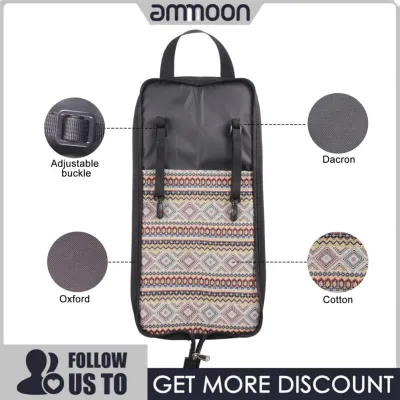
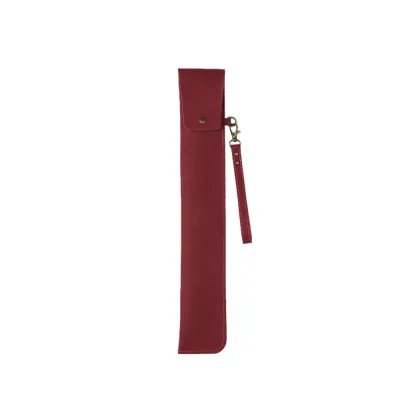
Prices are valid at publication and may change. Please refer to the product page for the latest price.
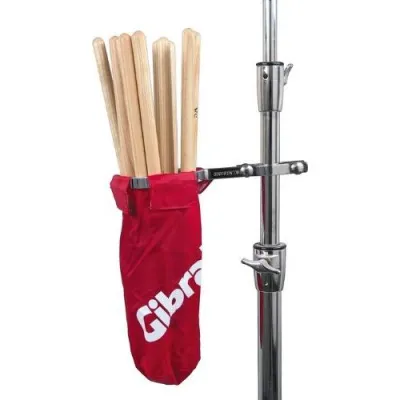
Clamp-on and cymbal-mounted holders are highly popular for standard acoustic drum kits. These accessories typically feature a metal or heavy-duty plastic clamp that attaches directly to the vertical tubes of your cymbal or hi-hat stands. Some specialized designs even mount directly onto the threaded top of a cymbal tilter, positioning spare sticks right next to your crashes or rides for rapid access.
Rack-mount solutions are engineered for complex acoustic rigs or electronic drum kits that utilize a structural pipe frame. These holders feature wider clamps designed to wrap securely around standard rack tubing, which is typically thicker than standard cymbal stand pipes. They provide a highly stable anchor point, ensuring the holder does not slip or rotate when you are playing aggressively.
Stand-mounted and floor-based holders offer independent placement, making them ideal for multi-percussion setups, orchestral playing, or drummers who prefer not to load down their existing hardware. These standalone units often feature their own tripod bases or weighted bottoms, allowing you to position them anywhere on the floor. While they require more floor space, they offer excellent mobility and can be easily repositioned between songs.
How to Match the Holder to Your Hardware Setup
Before purchasing a holder, you must evaluate your current hardware configuration to ensure a secure and safe fit. Adding accessories without checking compatibility can lead to loose attachments, damaged stands, or unbalanced setups.

Start by assessing the available clamp space and tube diameters on your cymbal and hi-hat stands. Most clamp-on holders are designed to fit standard tube diameters, but it is essential to check the manufacturer’s specified clamping range against your hardware. Ensure there is a clear, straight section of tubing on your stand that is free from joint castings, memory locks, or height-adjustment collars.
If you use a drum rack, you must evaluate the rack’s tube diameter, joint clearance, and overall weight distribution. Drum racks often use thicker tubing than individual stands, meaning standard cymbal-stand clamps will not fit. Look for rack-specific clamps or modular mounting systems that can accommodate the larger diameter. Additionally, ensure the holder is positioned where it will not interfere with the structural joints of the rack or cause the frame to become front-heavy.
For standalone or floor-based options, consider your available floor space, sightlines, and potential trip hazards. In tight practice spaces or crowded stages, a tripod-based stick holder can easily be knocked over by bandmates or your own foot movement. Position standalone holders in low-traffic areas of your setup, ensuring they remain visible but out of the way of your pedal movements and path of travel.
Essential Specs and Features to Evaluate
Beyond the mounting style, several functional specifications and build features dictate how well a stick holder performs during daily practice and live gigs. Paying attention to these details prevents damage to both your sticks and your hardware.
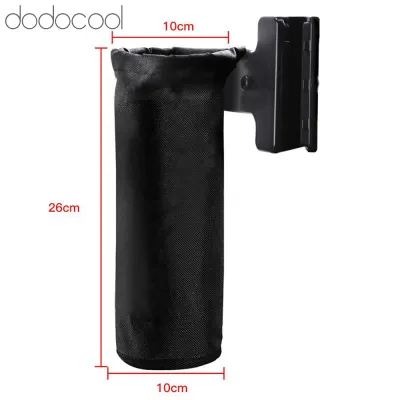
Capacity limits are a primary consideration. Think about how many pairs of sticks, brushes, or mallets you need to keep on hand. While a large-capacity pouch holds more spares, a fully loaded holder adds significant weight to your stand. Ensure your hardware can support this extra load without tilting or slipping.
The interior design of the holder plays a crucial role in protecting your gear. Look for options with soft internal padding or fabric linings that prevent your sticks from rattling against the holder walls while you play. In humid environments, such as Singapore’s tropical climate, moisture buildup can warp wooden sticks; choosing a holder with breathable fabric, mesh panels, or bottom drainage holes helps keep your sticks dry and in optimal playing condition.
Finally, examine the adjustment mechanisms. High-quality holders feature robust angle-adjustment joints and reliable tension knobs that allow you to tilt the container to your preferred angle. Some models also support memory locks, which let you lock in the exact position and height, ensuring a consistent setup every time you pack up and rebuild your kit.
Frequently Asked Questions (FAQ)
Can You Mount a Stick Holder on an Electronic Drum Rack?
Yes, but you must verify the rack’s tube diameter and clamp compatibility before installation. Many electronic drum kits use lightweight aluminum or plastic frames with non-standard tube thicknesses. Check the manufacturer’s specifications for both the rack and the stick holder to ensure a proper fit. When mounting, avoid over-tightening the clamp on lightweight or hollow electronic frames, as excessive pressure can dent or crack the tubing.
Will a Loaded Holder Affect Cymbal Stand Stability?
It can, especially if you are mounting a heavy, multi-pair holder onto a lightweight, single-braced cymbal stand. To maintain stability, evaluate the base weight and leg spread of the host stand. Always position the holder as low as possible on the stand’s lower tube section. This keeps the center of gravity low, minimizing the risk of the stand tipping over during intense play.

Community discussion
Share your experience or ask a question. Comments are reviewed before publication.