
Choosing your first musical instrument is an exciting milestone, but navigating the diverse lineup of Kala ukuleles can feel overwhelming when you are just starting out. To make the best choice, you need to focus on how the instrument fits your hands, how its materials respond to your local environment, and whether a complete starter kit or a standalone model fits your budget. For most complete beginners, a laminate mahogany concert or soprano ukulele from Kala offers the ideal balance of playability, durability, and classic tone.
While professional musicians often seek out solid-wood instruments, entry-level players benefit far more from structural stability and ease of use. Kala has built a reputation for producing reliable starter instruments that stay in tune and feel comfortable to play right out of the box. By understanding the key differences in size, construction, and setup, you can confidently select a model that will support your learning journey for years to come.
Choosing the Right Kala Ukulele Size for Your Hands
The physical size of your ukulele directly impacts how comfortable it feels to hold and play, especially during long practice sessions. Kala offers four primary sizes—soprano, concert, tenor, and baritone—but beginners should focus on the first three. Each size features a different scale length, which is the distance between the nut and the saddle, directly affecting the spacing of the frets.
Products mentioned in this guide
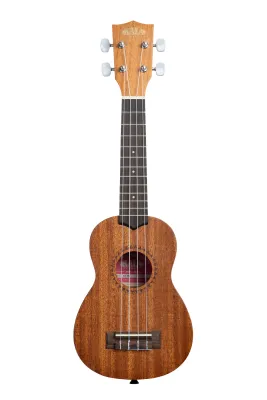
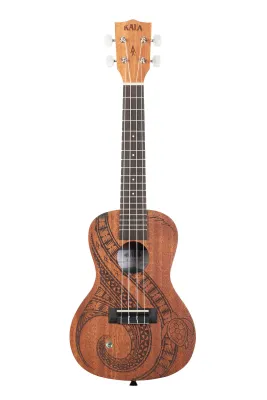

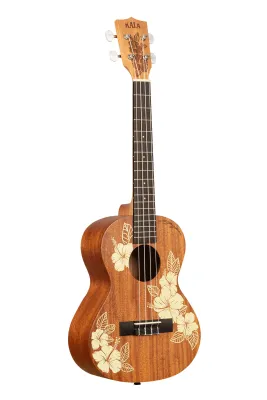

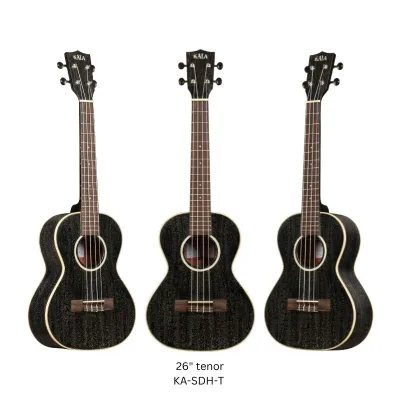
Prices are valid at publication and may change. Please refer to the product page for the latest price.
The soprano is the traditional ukulele size, measuring approximately 21 inches in length. It features the shortest scale length and the tightest fret spacing, making it an excellent choice for children or adults with smaller hands. Because of its compact body, the soprano produces a bright, classic, and slightly percussive sound. It is also highly portable, fitting easily into a small bag for trips to local parks or practicing quietly in a compact apartment.
If you have average to large hands, you may find the soprano’s fretboard somewhat cramped, particularly when playing complex chords that require squeezing multiple fingers onto adjacent frets. In this case, a concert ukulele, which measures around 23 inches, is often the most comfortable starting point. The slightly longer neck provides more room between the frets, allowing for cleaner finger placement without requiring excessive stretching.
Concert ukuleles also feature a larger body cavity than sopranos, which translates to a fuller, warmer tone and increased volume. This extra projection can boost your confidence as you learn to strum, as the instrument responds more dynamically to your touch. For many adult beginners, the concert size represents the perfect middle ground between physical comfort and traditional ukulele sound.
The tenor size, measuring about 26 inches, is favored by many intermediate and advanced players for its deep, resonant voice and generous fret spacing. While a tenor offers the most room for finger movement, the longer scale length requires a wider finger stretch to reach certain chord shapes. If you are completely new to fretted instruments, this extra stretch can sometimes feel discouraging during your first few weeks of building hand strength.
Selecting the Best Wood and Build for Your First Kala
The materials used to construct your ukulele play a significant role in its overall durability, maintenance requirements, and sound quality. As you browse Kala’s catalog, you will encounter instruments made from either laminate wood, solid wood, or a combination of both. Understanding how these construction methods interact with your local climate is essential for protecting your investment.

Laminate wood is constructed by gluing thin layers of wood together under high pressure, often with a decorative veneer on the outside. For beginners, laminate is highly recommended because of its exceptional structural stability. In tropical climates with high relative humidity, such as Singapore, solid wood instruments are prone to swelling, warping, or cracking when exposed to rapid temperature and humidity changes. Laminate ukuleles are far more resilient, making them ideal for players who move between air-conditioned rooms and humid outdoor environments.
Solid wood ukuleles, by contrast, are made from single pieces of timber that vibrate more freely, producing a richer, more complex tone that matures over time. However, they require careful humidity monitoring and the use of specialized humidification packs to prevent structural damage. For a complete beginner, the added responsibility of maintaining a solid-wood instrument can detract from the joy of learning, making laminate the more practical and worry-free choice.
The type of wood used also shapes the tonal profile of the instrument. Mahogany is the most common wood found in Kala’s beginner lineup, prized for its warm, balanced mid-range and traditional woody sound. If you prefer a brighter, crisper tone with more immediate projection, look for a model with a spruce top. Spruce is a highly responsive wood that helps individual notes ring out clearly, which can be helpful when practicing fingerpicking patterns.
Comparing Kala's Starter Kits and Standard Models
When purchasing your first Kala ukulele, you will need to decide whether to buy a standalone instrument or a complete starter kit. Kala offers several “Learn to Play” bundles that package a beginner-friendly ukulele with essential accessories. Evaluating your immediate needs and long-term goals will help you determine which option offers the best value.
Starter kits are highly convenient because they eliminate the guesswork of sourcing accessories individually. A typical Kala bundle includes a clip-on chromatic tuner, a gig bag, a strap, and access to online starter lessons. For an absolute beginner, having these items from day one is incredibly helpful, as tuning your instrument and protecting it during transport are immediate priorities. Starter kits typically range from S$80 to S$150, making them an affordable entry point.
The clip-on tuner included in most kits is an essential tool, as new ukulele strings stretch significantly during the first few weeks of use and require frequent tuning. While you can use free smartphone apps, a physical clip-on tuner detects the vibrations of the instrument directly, making it much easier to tune in noisy environments. The included gig bag, even if unpadded, provides basic protection against dust and light scratches when storing the instrument at home.
If you choose to buy a standalone Kala model, you gain the freedom to select higher-quality accessories that match your specific preferences. For example, you might prefer a heavily padded gig bag to protect your instrument during daily commutes on public transport, or a specific brand of strap. However, purchasing these items separately can quickly increase your total expenditure, often exceeding the cost of a pre-packaged bundle.
Consider the long-term upgrade potential of your purchase. A high-quality laminate Kala ukulele, whether bought as a standalone or in a kit, can serve you well for several years. As your skills progress, you may eventually want to transition to a solid-wood instrument or experiment with a different size, but your starter instrument will remain a reliable backup or travel companion.
Inspecting Your Kala Ukulele Before and After Purchase
Ensuring your new ukulele is structurally sound and properly set up is crucial for a frustrating-free learning experience. A poorly set up instrument can be difficult to play, causing unnecessary finger fatigue and making it hard to keep the strings in tune. By performing a few simple checks, you can verify that your Kala ukulele is ready for practice.
Before making your purchase, verify that you are buying from an authorized local dealer or a reputable online marketplace with a clear return policy. This protects you in the rare event that the instrument is damaged during shipping or exhibits a manufacturing defect. Local warranties are particularly valuable, as they allow you to seek assistance or replacements without dealing with international shipping.
Once you have the ukulele in hand, start by inspecting the neck. Hold the instrument at eye level and look down the edge of the fretboard from the headstock toward the body. The neck should be straight or have a very slight, almost imperceptible upward curve. If the neck is visibly bowed or twisted, the strings may buzz against the frets, or the action may be too high to press down comfortably.
Next, run your hand gently along both sides of the neck to check the fret ends. The metal frets should be perfectly flush with the wood of the fretboard. In dry or rapidly changing environments, the wood can shrink slightly, causing the metal fret ends to protrude and feel sharp to the touch. Sharp fret edges can make playing uncomfortable and should be addressed by a local technician or returned for a replacement.
Check the tuning pegs at the headstock to ensure they turn smoothly and hold their position. If a peg feels loose or slips when you tighten a string, check the small screw on the end of the button and tighten it slightly with a screwdriver. The strings themselves should be wound neatly around the posts without overlapping excessively, which helps maintain tuning stability.
Frequently Asked Questions (FAQ)
Do I need a specific size if I have very small or very large hands?
While hand size can influence your initial comfort, it does not strictly limit which ukulele size you can play. Players with larger hands often find the wider fret spacing of a concert or tenor model easier to navigate, as it prevents fingers from crowding on complex chords. Conversely, those with smaller hands may find the shorter scale of a soprano more manageable for reaching wide chord shapes. Ultimately, proper hand positioning and finger arching are more important than physical hand size, and most players can adapt to any standard size with consistent practice.
Should I buy a Kala ukulele with a built-in pickup as a beginner?
For most beginners, a standard acoustic ukulele is completely sufficient and highly recommended. Built-in electronics, or pickups, allow you to plug the instrument into an amplifier or recording interface, which is rarely necessary when you are first learning basic chords at home. Acoustic-electric models are generally heavier due to the internal wiring and battery compartment, and they typically cost more than their purely acoustic counterparts. Unless you plan to perform on stage or record directly into a computer early on, saving your budget for a high-quality acoustic model is the more practical choice.
How do I know if the Kala ukulele I received is properly set up?
A properly set up ukulele should feel comfortable to play and sound in tune across the entire fretboard. You can check this by playing an open string and then pressing down on the 12th fret of that same string; the fretted note should sound exactly one octave higher than the open note. If the pitch is noticeably sharp or flat, the instrument’s intonation is off. Additionally, strum each string individually while pressing down on every fret one by one; if you hear a buzzing sound or if a note sounds muffled, the action may be too low or a fret may be uneven, which a local music shop can easily adjust.

Community discussion
Share your experience or ask a question. Comments are reviewed before publication.