
Selecting the right Magie cajon requires matching your current playing ability, physical comfort, and performance environments with the instrument’s structural design. Because cajons vary in their internal snare systems, wood compositions, and electronic capabilities, choosing a model that aligns with your specific skill level ensures you do not overpay for complex features you do not yet need, nor outgrow a basic model too quickly. By evaluating how you play and where you intend to perform, you can confidently identify the ideal box drum configuration for your musical journey.
Understanding Your Skill Level and Playing Needs
To find the right instrument, you must first assess your current proficiency and clarify your primary musical goals. Beginners typically focus on mastering fundamental hand techniques, such as producing a clean, resonant bass tone from the center of the front panel and a sharp, high-pitched slap sound near the top corners. At this stage, consistency and physical comfort are far more important than micro-tonal adjustments. Intermediate players, by contrast, have usually developed a steady sense of rhythm and are beginning to explore dynamic control, ghost notes, and rapid finger rolls. They require an instrument that responds accurately to subtle changes in striking force across different areas of the playing surface. Advanced percussionists demand absolute precision, requiring a highly sensitive instrument that can deliver complex overtones, deep bass separation, and customizable snare responses for professional performance.
Your primary playing environment also dictates the type of cajon you should select. If you plan to use the instrument primarily for casual home practice or intimate acoustic jam sessions with friends, a standard acoustic model with natural projection will serve you well. However, if you frequently perform in amplified stage gigs alongside louder instruments like electric guitars and drum kits, you will need a model that can easily connect to a sound system without feedback issues. Studio recording environments present another set of requirements, where the purity of the tone, the absence of unwanted cabinet rattles, and the separation between bass and snare frequencies are critical for capturing a clean track.
Products mentioned in this guide
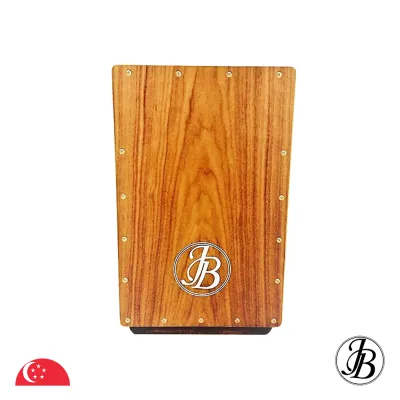
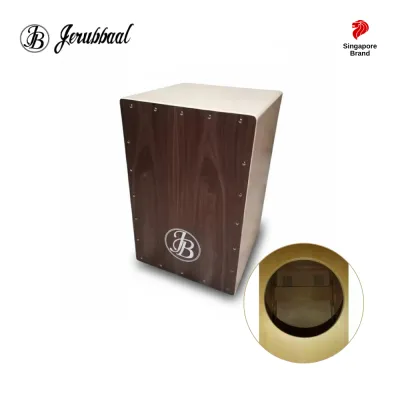
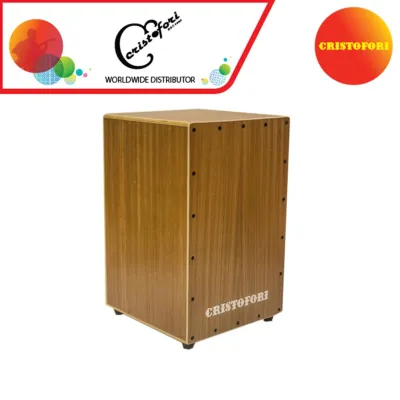
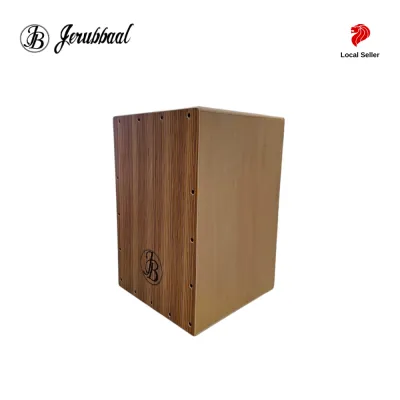
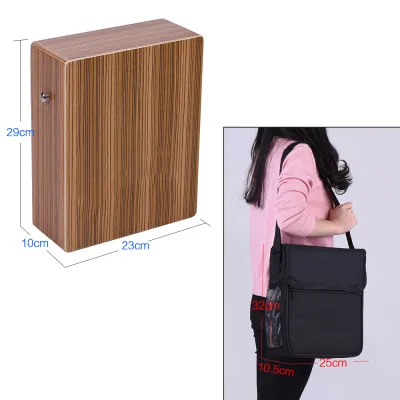
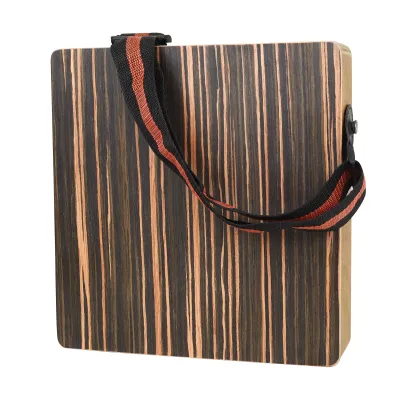
Prices are valid at publication and may change. Please refer to the product page for the latest price.
Physical factors are equally vital when choosing a cajon, as you will be sitting directly on the instrument while playing. Player height and arm length influence the ideal dimensions of the box drum. A standard-sized cajon, typically measuring around 50 centimeters in height, is suitable for most adults, allowing them to sit comfortably with their knees bent at a 90-degree angle and their feet flat on the floor. Younger players or those with a shorter stature may find a medium-sized or junior model more comfortable, as it reduces the need to bend forward excessively to reach the lower bass zone. Additionally, hand size and skin sensitivity can affect how comfortable a front panel feels, making the texture and responsiveness of the playing surface an important consideration for long practice sessions.
Key Cajon Features to Evaluate in Magie Models
Understanding the structural and acoustic components of a cajon allows you to make an informed decision when browsing different models. The snare system is one of the most critical features, as it defines the instrument’s high-frequency voice. Fixed internal snare wires, which are pressed permanently against the back of the front panel, offer a consistent, reliable sizzle that is highly forgiving for beginners. Adjustable snare mechanisms, which utilize an external knob, lever, or guitar-string tuning system, allow players to tighten or loosen the wires to customize the amount of buzz or even disengage the snare entirely. For those seeking a traditional Afro-Peruvian or Cuban sound, snare-less designs rely entirely on the natural resonance of the wood to produce clean, distinct bongo-like tones without any snare rattle.

The materials used to construct the shell and the front panel, or tapa, directly shape the instrument’s overall tonal character. Birch is a highly popular choice for premium cajons due to its balanced acoustic properties, offering bright, crisp highs and a punchy, well-defined bass response. Mahogany and other dense hardwoods tend to produce a warmer, deeper bass tone with rich mid-range frequencies, making them excellent for acoustic ensembles. Many entry-level models utilize medium-density fiberboard (MDF) or industrial laminates for the main body shell, paired with a thin plywood front panel. This combination provides a highly durable, cost-effective instrument that resists warping in humid climates while still delivering a satisfying acoustic response.
Beyond the basic box design, sound ports and accessory compatibility can expand your performance capabilities. The sound port, typically located on the rear panel, allows the bass frequencies to escape and project forward; some modern designs feature side-mounted ports or internal bass reflex channels to enhance low-end projection. If you plan to expand your percussion setup, you should also consider how well a model accommodates add-on accessories. For example, some players use a specialized cajon kick pedal to play the bass tone with their foot while keeping their hands free for other percussion instruments. Ensuring the front panel and base of the cajon can withstand the attachment of such hardware is essential if you plan to build a hybrid drum kit.
Matching Magie Cajon Specifications to Your Skill Level
When evaluating Magie cajons, reading the product descriptions and specification sheets carefully will help you align the instrument’s features with your skill level. Official catalogs often detail the exact wood laminates, snare configurations, and dimensions of each model. By focusing on the specifications that match your current progression stage, you can avoid paying extra for advanced hardware you do not need, or conversely, avoid buying an entry-level model that limits your musical growth.
Beginners: Focus on Playability and Durability
For those just starting their percussion journey, the ideal cajon should be straightforward, highly durable, and easy to play right out of the box. Beginners should look for standard-sized models featuring fixed internal snare wires. This design eliminates the need for constant tuning and adjustment, allowing you to focus entirely on developing proper hand placement and timing. A fixed snare system ensures that every time you strike the upper corners, you get a reliable, crisp slap sound without having to fiddle with tension dials.
Durability is another key factor for novice players who may be transporting their instrument to casual outdoor gatherings, beach jams, or school music rooms. Models constructed with robust MDF or high-quality plywood shells are highly resistant to temperature fluctuations and physical impacts. These materials provide a sturdy frame that can support your weight comfortably while protecting the internal components. By prioritizing simple, rugged construction over complex adjustable hardware, you ensure your instrument remains functional and inspiring during the critical early stages of learning.
Intermediate Players: Seeking Tonal Versatility
As you transition into an intermediate player, your musical repertoire will likely expand to include different genres that require distinct acoustic profiles. At this stage, you should seek models equipped with adjustable snare systems. Having the ability to fine-tune the snare tension via an external dial or key allows you to control the decay of the snare buzz, helping you separate the high-pitched slaps from the deep bass tones. This prevents the snare from rattling excessively when you play a clean bass note, which is essential for executing precise rhythmic patterns.
Intermediate players should also look for models featuring thinner, more responsive front panels made from materials like birch or exotic wood veneers. A thinner tapa requires less striking force to vibrate, allowing you to play with greater dynamic range and express subtle ghost notes more clearly. Additionally, models with integrated rear sound ports designed to optimize bass projection will help your playing cut through the mix when performing in acoustic ensembles, ensuring your rhythms are heard clearly by your bandmates and the audience.
Advanced Players: Demanding Precision and Customization
Advanced percussionists require an instrument that functions as a highly sensitive extension of their hands, offering complete control over every nuance of their performance. If you are an advanced player, you should focus on premium models constructed with solid wood shells or high-grade multi-ply birch. These materials offer superior resonance, complex overtones, and a powerful, punchy bass response that cheaper laminates cannot replicate. The craftsmanship of the tapa joint is also critical, with some high-end models featuring adjustable top corners that let you customize the “clack” sound of your corner slaps.
Your snare system should offer maximum flexibility, such as micro-adjustable tension screws or a quick-release lever that allows you to disengage the snare wires completely. This feature is invaluable for players who switch between modern snare-heavy pop rhythms and traditional, clean Afro-Peruvian styles during a single set. Furthermore, if you frequently perform on large, amplified stages or record in professional studios, look for models with built-in electronics, such as integrated piezo pickups and an XLR output port. This allows you to plug directly into a soundboard or amplifier, eliminating the hassle of positioning external microphones and reducing the risk of stage feedback.
Pre-Purchase Checklist and Inspection Tips
Before finalizing your purchase, performing a thorough physical and acoustic inspection of the cajon is essential to ensure you receive a high-quality instrument free of manufacturing defects. Begin with a detailed visual check of the shell’s exterior. Run your hands along the corners and joints to ensure they are completely smooth, seamless, and free of splinters or rough edges. Inspect the front panel to verify that it is securely fastened to the frame; there should be no visible gaps between the tapa and the shell, especially along the bottom and sides, as gaps can cause air leaks that ruin the bass response. Check that the rubber feet on the bottom of the cajon are securely attached and level, as they prevent the instrument from sliding on smooth floors and isolate the bass vibrations from the ground.
Next, conduct an acoustic test, even if you are testing the instrument in a quiet corner of a local music shop. Sit on the cajon and strike the center of the front panel with a relaxed hand to evaluate the bass tone. The bass should sound deep, focused, and punchy, without any hollow or muddy resonance. Listen closely for any unwanted buzzing or rattling inside the cabinet that does not sound like a clean snare response; loose internal wires or poorly secured screws can create distracting noises. Strike the top corners to test the snare response; the slap should be crisp and immediate, with a clear separation from the bass tone. If the model has an adjustable snare, turn the dial to both extremes to confirm that the mechanism smoothly changes the tension and alters the sound as intended.
Finally, verify all the hardware and included accessories. If the model requires a tuning key or hex wrench to adjust the snare tension, ensure this tool is included in the packaging. Check that all adjustment screws and knobs turn smoothly without binding or slipping. If you are purchasing a package that includes a gig bag, inspect the zippers, padding, and carrying straps to ensure they are durable enough to protect your new instrument during transport. Confirming these details before leaving the store or accepting a delivery protects you from the inconvenience of returning a defective product.
Purchasing Channels and Verification
To ensure you are buying an authentic Magie cajon backed by a reliable warranty, you should purchase your instrument through authorized channels. Established local music shops and specialized percussion retailers are excellent options, as they allow you to sit on the instrument, feel its weight, and test its acoustic properties in person before spending your money. If you prefer the convenience of online shopping, look for official brand storefronts or highly rated authorized dealers on major e-commerce platforms. Avoid buying from unverified third-party sellers on online marketplaces, as counterfeit instruments or B-stock items with hidden structural defects are common in unregulated digital spaces.
Before completing your transaction, carefully read the seller’s return and exchange policy. Acoustic instruments are highly subjective, and a cajon that sounded great in a video demonstration might not suit your personal playing style or the acoustics of your home practice space. Ensure the retailer offers a reasonable return window, typically 7 to 14 days, and check whether they cover return shipping costs for bulky items. This is especially important when buying online, as instruments can occasionally suffer structural damage or joint separation during transit due to rough handling or extreme temperature changes in delivery vehicles.
Once your new cajon arrives, locate the serial number, which is often printed on a label inside the sound port or on the bottom of the shell. Keep your original physical receipt or digital invoice in a safe place, as you will need this proof of purchase to register the instrument for any manufacturer warranty coverage. Registering your product promptly ensures that you are protected against any premature structural failures, such as wood warping or joint separation, that may occur due to manufacturing defects rather than normal wear and tear.
Frequently Asked Questions (FAQ)
Do I need a cajon with an adjustable snare system?
An adjustable snare system is highly beneficial if you play a wide variety of musical genres and need to customize your sound. It allows you to tighten the internal wires for a very tight, crisp snare sound suitable for pop and rock, or loosen them for a broader, buzzing effect that works well in acoustic folk settings. You can also disengage the snare completely to play traditional, clean hand-drum styles. However, if you are a complete beginner, a fixed snare system is often preferable because it is simpler, requires zero maintenance, and allows you to focus entirely on learning basic playing techniques without the distraction of constant tuning.
How does the front panel material affect the sound?
The front panel, or tapa, is the primary vibrating surface of the cajon, and its material composition significantly shapes the instrument’s tone. Thinner, highly flexible wood panels, such as those made from multi-ply birch or premium exotic veneers, respond quickly to light finger strikes, producing bright, articulate highs and a highly sensitive snare response. Conversely, thicker or composite front panels tend to produce a drier, more focused bass tone with fewer high-frequency overtones. While thicker panels are highly durable and can withstand heavy striking, they require more physical effort to play dynamically, making thinner, resonant panels the preferred choice for intermediate and advanced players.
Should I buy a Magie cajon with a built-in pickup?
A built-in pickup is an excellent investment if you frequently perform on stage with an amplified band or plan to record directly into an audio interface. An integrated pickup system, usually featuring a piezo element and an external XLR or quarter-inch jack, allows you to plug directly into the venue’s sound system, ensuring your sound is amplified clearly without the feedback issues associated with external microphones. However, if you primarily play at home, in small acoustic circles, or are working within a tight budget, you can comfortably choose a standard acoustic model. You can always place a standard instrument microphone behind the rear sound port if you need amplification in the future.

Community discussion
Share your experience or ask a question. Comments are reviewed before publication.