
Finding the right Pearl cajon requires matching your current playing ability and performance goals with the structural features of the instrument. Because a cajon serves as both a seat and a percussion engine, its construction directly influences your playing comfort and acoustic output. Choosing an instrument that aligns with your skill level prevents you from overpaying for complex, adjustable hardware you may not yet need, while ensuring you do not quickly outgrow a basic model as your technique develops. By understanding how the brand structures its lineup, you can make an informed decision that supports your musical journey.
How Pearl Categorizes Its Cajon Lineup
Pearl organizes its percussion catalog into distinct tiers designed to serve players from their first practice sessions to professional stage performances. This categorization is not merely about price; it reflects a systematic scaling of material quality, hardware complexity, and acoustic refinement. Entry-level models focus on durability and immediate playability, mid-tier options introduce customizable snare responses and upgraded wood selections, and professional instruments feature premium solid woods and advanced internal engineering.
To navigate these tiers effectively, you should look beyond marketing names and focus on the technical specifications provided by the manufacturer. Entry-level instruments often utilize medium-density fiberboard (MDF) or durable wood composites for the shell, paired with a fixed snare system that requires zero maintenance. As you move into the intermediate and professional ranges, you will find shells made of birch, Asiatic hardwood, or fiberglass, alongside adjustable tension systems that allow you to fine-tune the snare buzz.
Products mentioned in this guide
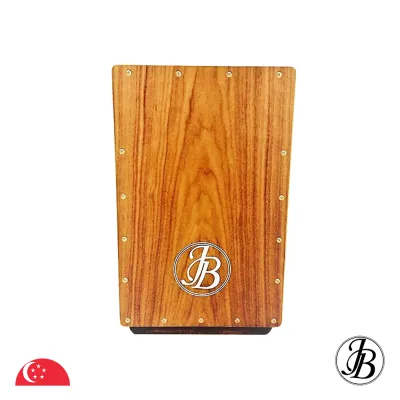
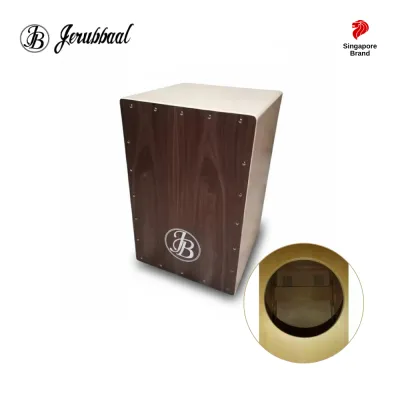
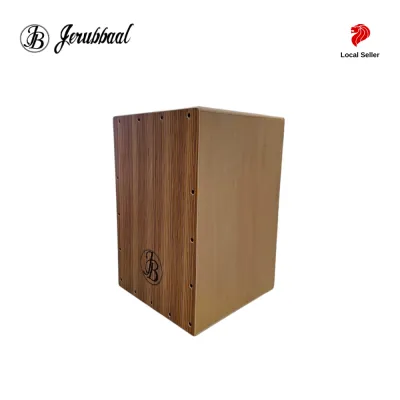
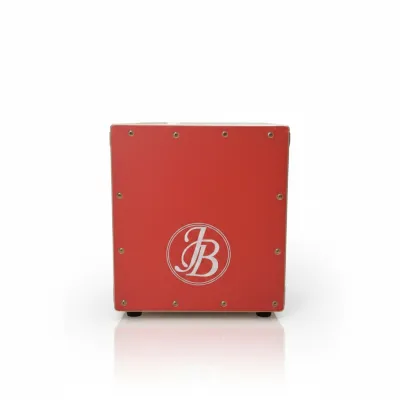
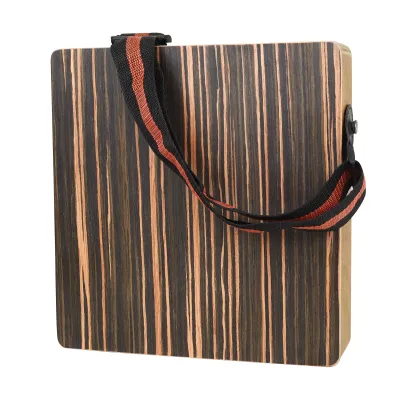
Prices are valid at publication and may change. Please refer to the product page for the latest price.
You can identify where a specific model sits in the lineup by examining the official product documentation. Look closely at the description of the “tapa”—the front playing surface—and the internal snare mechanism. Professional models will explicitly list premium wood species, such as shorea or birch, and detail the presence of adjustable guitar strings or dual snare wire sets. Checking these specifications on the manufacturer’s official website or through an authorized dealer sheet ensures you are evaluating the instrument’s true structural tier rather than relying on retail categorization.
Beginner Level: Choosing Your First Pearl Cajon
For those taking their first steps into hand percussion, an entry-level cajon should prioritize structural durability, consistent sound production, and straightforward operation. At this stage, your primary goal is to master fundamental hand techniques, such as the bass stroke and the high-pitched slap. An instrument that requires constant tuning or delicate handling can distract from this learning process, making a simpler design highly advantageous.

A fixed snare system is highly recommended for beginners. These systems utilize pre-set internal snare wires that press consistently against the back of the playing surface. Because they are fixed in place, they deliver a reliable snare response every time you strike the upper corners of the tapa, without requiring you to adjust tension knobs or internal strings. This maintenance-free setup allows you to focus entirely on developing your rhythm and timing.
The materials used in beginner models are selected for resilience and cost-effectiveness. Many entry-level options feature shells made from robust wood composites or high-quality plastics, which are less sensitive to changes in humidity and temperature than solid hardwoods. This makes them excellent for casual transport to outdoor gatherings or school music rooms. When evaluating these models, verify that the playing surface is securely attached with flush-mounted screws to prevent hand discomfort during extended practice sessions.
Portability and physical comfort are also key considerations for new players. Beginner cajons are often slightly more compact and lightweight, making them easier to transport and comfortable for younger players or those with smaller frames. Before purchasing, check the product specifications to confirm the inclusion of sturdy rubber feet, which prevent the instrument from sliding on smooth floors and isolate the bass vibrations. Some entry-level packages may also bundle a basic gig bag, providing immediate protection for transport.
Intermediate Level: Stepping Up to Better Tone and Control
As your hand techniques improve, you will likely seek greater tonal separation and dynamic control. Intermediate players benefit from instruments that offer a clearer distinction between the deep, resonant bass tones produced in the center of the tapa and the sharp, crisp slap tones at the edges. Upgrading to a mid-tier cajon allows you to explore these acoustic nuances and customize the instrument’s response to match your playing style.
One of the defining features of an intermediate cajon is an adjustable snare system. Rather than relying on a fixed wire, these models often feature external adjustment knobs or internal tension screws that allow you to tighten or loosen the snare wires or strings. This adjustability lets you control the amount of snare “buzz” or “sizzle” present in your notes. You can tighten the system for a dry, tight flamenco sound, or loosen it for a wetter, more resonant acoustic rock vibe, while minimizing unwanted snare vibration during deep bass strikes.
Material quality steps up significantly in this tier. Intermediate models frequently feature shells constructed from multi-ply birch or specialized hardwoods, paired with responsive exotic wood tapas. These materials offer superior acoustic projection and a wider dynamic range, responding accurately to subtle changes in your striking force. The improved density of these woods helps prevent muddy tones, ensuring that fast rolls and complex patterns remain distinct and articulate.
When selecting a mid-tier model, pay close attention to the hardware and construction details. Look for reinforced internal corners and high-quality tuning mechanisms that can withstand regular adjustments. Many intermediate options also feature strategically placed sound ports, sometimes on the side or front, to alter how the bass frequencies project toward the audience. Verifying these physical attributes through detailed product descriptions will help you find an instrument that supports your growing expressive capabilities.
Professional Level: Selecting a Gig-Ready Pearl Cajon
For performing musicians, studio recording artists, and advanced percussionists, a professional-grade cajon must deliver exceptional acoustic resonance, reliable stage durability, and advanced sound-shaping capabilities. At this level, the instrument is expected to perform consistently under the demands of live amplification and studio microphones, requiring premium materials and precise engineering.
Professional models are characterized by the use of premium solid hardwoods or highly specialized composite materials for the shell. Woods such as solid birch, oak, or mahogany provide maximum acoustic warmth, projection, and structural integrity. The tapa is often made of highly flexible, thin veneers of premium timber, selected for its rapid response to the lightest finger touches. This combination ensures that the full frequency spectrum—from the lowest sub-bass to the highest finger rolls—is projected clearly without acoustic distortion.
The internal engineering of a professional cajon is highly sophisticated. You will often find multi-snare configurations, combining both adjustable guitar strings and traditional snare wires, which can be independently adjusted or completely disengaged. Some high-end models feature internal muffling systems or adjustable bass ports that allow you to shape the internal air cavity, tailoring the decay of the bass note to suit the acoustics of a specific venue or recording room.
Integration with external hardware is another crucial factor for professional use. If you plan to expand your percussion setup, verify the cajon’s compatibility with external accessories such as cajon pedals, side-mounted percussion brackets, or internal microphone mounts. Professional models are built with robust internal bracing to handle the physical stress of attached pedals and heavy play. Additionally, look for premium finishes, heavy-duty non-slip feet, and ergonomic curved corners that ensure comfort during long sets on stage.
Essential Specifications to Verify Before You Buy
To ensure you select the correct cajon for your needs, it is essential to conduct a thorough review of the technical specifications before making a purchase. Relying solely on aesthetic appeal or general product descriptions can lead to an instrument that does not match your acoustic or ergonomic requirements. Use the following checklist to evaluate any model you are considering.
First, examine the snare mechanism specifications. Determine whether the model uses a wire snare system, which typically provides a modern, drum-kit-like snare sound, or a string snare system, which offers a traditional, dry flamenco response. Check if the product description mentions external adjustment knobs or if adjustments require an Allen key. If you prefer a plug-and-play experience, confirm that the system is fixed and pre-tuned.
Second, verify the exact materials used in construction. Read the manufacturer’s spec sheet to identify the wood species used for both the body and the faceplate. Look for terms like “birch ply” or “hardwood composite” rather than generic terms like “wood.” Understanding these materials helps you anticipate the tonal characteristics of the instrument; for instance, birch is known for its bright highs and punchy bass, while mahogany offers deeper warmth and sustain.
Third, assess the ergonomic and physical hardware features. Look for rounded or contoured corners along the top edges of the cajon, as these significantly reduce fatigue and bruising on your hands and thighs during long playing sessions. Confirm the presence of high-quality rubber feet to isolate the instrument from the floor and prevent slipping. Additionally, note the location of the sound hole—rear-facing ports are standard, but front or side ports can alter how you position microphones in a live or studio setting.
Finally, always consult the official manufacturer documentation or user manuals available on authorized dealer websites. These documents provide critical information regarding the care, tuning, and maintenance of the instrument. Verifying these details ensures that the cajon you choose is fully compatible with your intended environment, whether that involves quiet home practice, outdoor busking, or professional studio recording.
Frequently Asked Questions (FAQ)
Do I need an adjustable snare system as a beginner?
No, an adjustable snare system is not necessary for beginners and can sometimes complicate the learning process. Fixed snare systems are highly recommended for new players because they provide a consistent, reliable sound without requiring any manual adjustments or tuning. This allows you to focus entirely on mastering basic hand positions, rhythm, and timing. As your technique develops and you begin to require specific tonal customization for different musical styles, you can then transition to an adjustable system.
How do I verify the wood type and build quality before buying?
To accurately verify the materials and construction quality, avoid relying solely on marketing photos. Instead, access the official manufacturer specification sheet or user manual for the specific model. Look for precise terminology detailing the wood species of the shell and the tapa, such as birch, Asiatic hardwood, or medium-density fiberboard. Additionally, inspect high-resolution product images or visit an authorized local dealer to examine the joints, the flush alignment of the faceplate screws, and the smoothness of the edges.
Can I add a pedal or upgrade parts on an entry-level model?
While it is physically possible to position a cajon pedal against an entry-level model, you should exercise caution. Entry-level shells made of lighter wood composites or thinner plastics may not be structurally reinforced to withstand the constant clamping pressure and physical impact of heavy external hardware. Before mounting any pedals or brackets, consult the manufacturer’s guidelines or product manual to verify compatibility. Making unauthorized structural modifications can damage the shell and void the instrument’s warranty.

Community discussion
Share your experience or ask a question. Comments are reviewed before publication.