
Choosing your first musical instrument is an exciting milestone, but navigating the vast array of digital pianos can feel overwhelming for a complete beginner. When selecting a Yamaha digital piano, the ideal choice depends heavily on your living space, budget, and long-term learning objectives. For most beginners, the decision comes down to choosing between a highly portable “slab” style piano and a traditional, stationary “console” style instrument. While both options deliver the foundational features required to learn proper technique, they cater to very different household environments and lifestyle needs.
Quick Answer: Framing Your First Yamaha Digital Piano Choice
When starting out, many beginners make the mistake of choosing the cheapest possible keyboard, only to realize within a few months that the instrument cannot support their growing skills. By framing your choice around form factor and budget from the beginning, you can avoid this common pitfall. Deciding between a portable slab and a fixed console is the most critical first step, as it dictates not only where the piano will live in your home but also how often you are likely to practice.
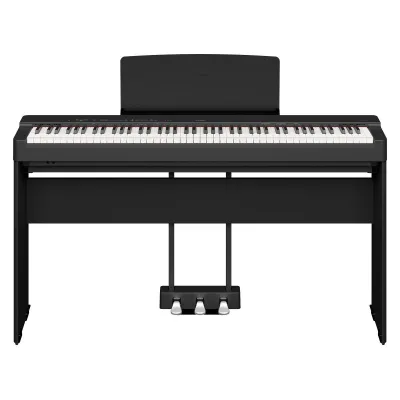
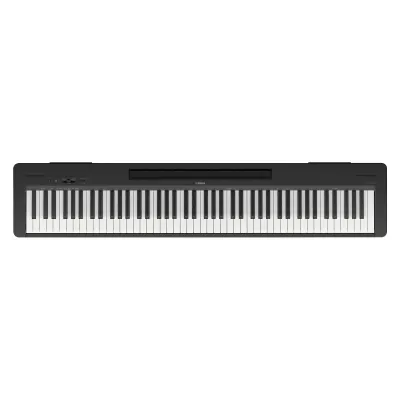
Portable models, often referred to as slab pianos, are designed for flexibility. They consist of the keyboard unit itself, which can be placed on a portable metal stand and easily stored in a closet or under a bed when not in use. This makes them highly attractive for those living in compact apartments or shared spaces where dedicating permanent floor area to an instrument is not possible.
Products mentioned in this guide
![Yamaha P-143BT Portable Digital Piano 88 Weighted Keys Bluetooth Beginners Instrument P143 P-143 [LIMITED STOCK]](https://img.lazcdn.com/g/p/b40c0a5d1400f3afb2c14a886464b0ef.jpg_400x400q80.jpg_.webp)
Prices are valid at publication and may change. Please refer to the product page for the latest price.
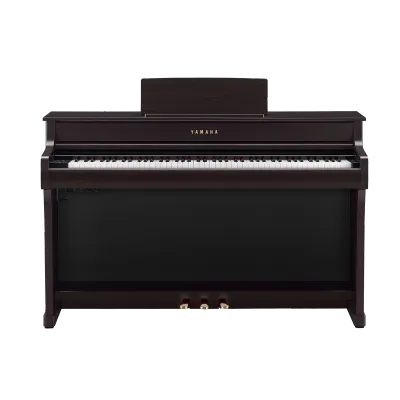
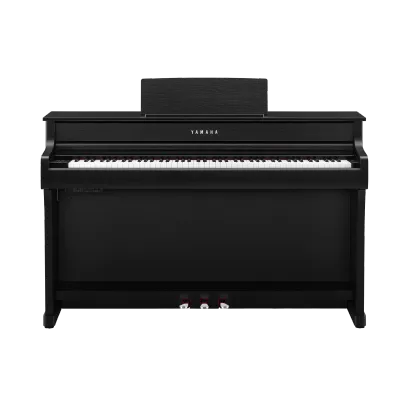
Console models, on the other hand, are designed as permanent pieces of furniture. They feature an integrated wooden cabinet, a sliding key cover to protect the keys from dust, and a fixed three-pedal board. These instruments are built to stay in one place, serving as a visual anchor in a room and providing a highly stable playing experience that closely mimics an acoustic upright piano.
Budget expectations in Singapore dollars (S$) vary significantly between these two form factors. Entry-level portable digital pianos generally range from approximately S$500 to S$1,000, making them an accessible entry point for those testing the waters of a new hobby. Console-style models represent a larger initial investment, typically starting around S$1,200 and extending beyond S$2,000, reflecting the added cost of the wooden cabinet, integrated pedals, and more robust speaker systems.
The primary trade-off between these two styles involves portability versus acoustic resonance and physical stability. Portable models offer the freedom to move the instrument between rooms or take it to lessons, but they often feature smaller built-in speakers and rely on lightweight plastic sustain pedals that tend to slide around on tiled or wooden floors. Console models sacrifice all mobility but reward the player with larger speaker enclosures that produce a richer, more resonant sound, alongside a heavy, fixed pedal assembly that remains perfectly stationary during intense practice sessions.
Essential Features to Verify for Beginner Pianists
Acoustic pianos use physical hammers to strike strings, creating a natural resistance where lower keys feel heavier to press than higher keys. Yamaha’s Graded Hammer Standard (GHS) action replicates this graded weight, which is fundamental for a beginner. Playing on weighted keys builds the necessary finger strength, hand endurance, and fine motor control required to play expressively. If a beginner practices on a keyboard with unweighted or semi-weighted keys, they will find it incredibly difficult to control their volume and tone when transitioning to a real acoustic piano.

Graded action means that the keys in the lower register require a slightly heavier touch to depress, gradually becoming lighter as you move up the keyboard. This design mirrors the physical mechanics of an acoustic grand piano, where the bass strings are thicker and require larger hammers. Developing a feel for this graded resistance is essential for cultivating dynamic control, allowing you to play pianissimo (very soft) and fortissimo (very loud) with precision.
Polyphony refers to the maximum number of individual notes or voices that a digital piano can sound at the exact same time. While a beginner only has ten fingers, the use of the sustain pedal allows notes to continue ringing out long after the keys are released. For basic beginner pieces, a minimum of 64-note polyphony is acceptable, but 128-note or 192-note polyphony is highly recommended. With lower polyphony, playing rapid passages or holding down the sustain pedal over several measures can cause older notes to cut off abruptly, which ruins the musical expression and can frustrate a developing ear.
Furthermore, high polyphony is crucial when using dual-voice modes, a common feature where you layer two sounds together, such as piano and strings. In layered modes, every single key press triggers two notes simultaneously, which cuts your available polyphony in half. Opting for a model with robust polyphony ensures that your layered performances remain rich and seamless without any premature note decay.
The quality of the sound engine directly impacts how inspiring the instrument is to play. Yamaha digital pianos typically use advanced sampling technology to recreate the rich, complex tones of their renowned acoustic concert grand pianos. Beginners should look for models featuring technologies like the Pure CF Sound Engine or CFX sampling. Equally important is the built-in speaker system; entry-level portable models usually feature dual 6-watt to 8-watt amplifiers, which are perfectly adequate for small rooms, whereas console models often boast 20-watt systems or higher, delivering a much fuller, more immersive acoustic experience.
One of the most significant advantages of choosing a digital piano over an acoustic one is the ability to practice silently. Beginners should verify that the model features at least one headphone jack, though dual headphone jacks are highly preferable as they allow a teacher or parent to sit alongside the student and listen in without disturbing the rest of the household. Additionally, a USB-to-Host port is an essential modern feature. This connection allows the digital piano to interface directly with computers, tablets, or smartphones, enabling the use of interactive learning software, sheet music apps, and digital audio workstations that can accelerate the learning process.
Navigating Yamaha’s Entry-Level Digital Piano Series
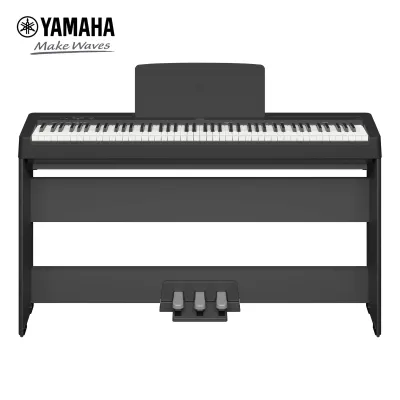
The P-series, where “P” stands for portable, is Yamaha’s highly popular line of slab-style digital pianos. These instruments are designed to deliver authentic piano touch and tone in a compact, lightweight chassis. They are highly versatile, allowing users to place them on a folding metal stand for temporary setups or mount them on a matching wooden stand (often sold as an optional accessory) to create a semi-permanent fixture in the home. This series is ideal for students, hobbyists, and gigging musicians who require a high-quality keyboard that can be easily transported or stored away.
The P-series is also highly compatible with various software ecosystems. Many models in this lineup integrate seamlessly with Yamaha’s proprietary Smart Pianist app, which allows you to control the piano’s settings, select voices, and even view chord charts directly from your tablet’s touchscreen. This modern integration makes the P-series highly appealing to tech-savvy beginners who appreciate an intuitive, digital-first user interface.
The YDP-series, also known as the Arius line, represents Yamaha’s entry-level console digital pianos. These instruments are designed to look and feel like traditional acoustic upright pianos, featuring elegant wooden cabinets in various finishes, integrated sliding key covers, and a complete three-pedal lyre. The Arius series is engineered for the home, providing a stable, rattle-free playing experience and a more powerful internal sound system. It is the preferred choice for families who want a dedicated, attractive practice station that encourages daily play and complements home decor.
Additionally, the YDP-series often features superior acoustic optimization technologies, such as Yamaha’s Acoustic Optimizer and Stereophonic Optimizer. These systems adjust the physical flow of sound waves within the cabinet and optimize the headphone output to create a more natural, spacious sound field. For beginners, this means less ear fatigue during extended practice sessions and a more satisfying, realistic auditory experience that encourages longer practice times.
It is vital for prospective buyers to understand the distinction between the NP-series (Piaggero) and true digital pianos. The NP-series instruments are ultra-lightweight, highly affordable keyboards designed for casual music-making. While they feature a piano-style key shape, they utilize “graded soft touch” keys rather than a fully weighted hammer action. This means the keys offer very little physical resistance, making them feel more like a synthesizer than an acoustic piano. While suitable for casual hobbyists or those learning basic melodies, the NP-series is not recommended for serious piano students, as it does not build the finger strength required for classical or formal piano training.
Matching a Yamaha Series to Your Space and Learning Goals
Living arrangements play a decisive role in selecting the right instrument. In urban environments like Singapore, where residential space in apartments and condominiums is often carefully optimized, a portable P-series model offers significant practical advantages. It can be set up in a living area during practice hours and tucked away in a closet or behind a sofa afterward, keeping communal spaces clear. Conversely, if you have a dedicated study, music room, or a permanent corner in your living room, a YDP-series console model provides a beautiful, stable setup that is always ready to play, eliminating the friction of setting up stands and plugging in cables before every practice session.
Your long-term musical aspirations should also guide your choice. If a beginner intends to take formal piano lessons, prepare for graded examinations (such as ABRSM), or eventually transition to a traditional acoustic upright or grand piano, a console model is highly advantageous. The physical stability of a heavy wooden cabinet prevents the keyboard from shifting or shaking during energetic playing, which helps maintain proper hand posture. Furthermore, having a fixed three-pedal unit in the correct anatomical position ensures the student develops accurate pedaling habits from the very beginning, avoiding the awkward posture adjustments caused by loose, sliding portable pedals.
When establishing your budget, it is important to look beyond the price tag of the keyboard itself and consider the total cost of ownership. If you opt for a portable P-series model, you will need to allocate funds for a sturdy, high-quality stand—ideally a heavy-duty double-braced X-stand or a matching wooden stand—to prevent distracting wobbling. You will also need a comfortable, supportive bench that promotes good posture, as well as a high-quality pair of over-ear headphones for silent practice. While a YDP-series console model has a higher upfront cost, it includes the cabinet, music rest, and pedals in the box, meaning your only additional purchases will be a bench and headphones, making the total cost difference narrower than it initially appears.
Pre-Purchase Verification and Setup Checklist
Before finalizing your purchase, carefully read the product listing or consult with the retailer to verify exactly what accessories are included in the box. Some portable digital pianos are sold as bare units, requiring you to purchase the power adapter, music rest, and sustain pedal separately. Additionally, many entry-level portable models only include a basic plastic footswitch instead of a realistic, metal piano-style sustain pedal. Upgrading to a proper, heavy-duty sustain pedal is highly recommended for a more authentic playing experience.
To safeguard your investment, always purchase your Yamaha digital piano from an authorized local dealer. This ensures that the instrument is configured for the correct local voltage (230V in Singapore) and comes with a valid manufacturer’s warranty. Purchasing from unauthorized parallel importers or unverified online marketplaces may leave you without technical support or warranty coverage if the internal electronics or key action require servicing. Confirm the warranty terms, registration process, and the location of the authorized service center before making your decision.
Take precise measurements of the area where you plan to place the digital piano, keeping in mind that an 88-key instrument is approximately 1.3 to 1.4 meters wide. If you are purchasing a console model, check the weight specifications to ensure you have adequate assistance for delivery and assembly, as these units can weigh between 35 to 50 kilograms. For those living in high-rise apartments, verify that the packaged box can easily fit through your doorways, hallways, and elevator doors to avoid delivery complications on arrival day.
Frequently Asked Questions (FAQ)
Do I need an 88-key Yamaha piano as a complete beginner?
Yes, if your goal is to learn traditional piano playing, starting with a full-size 88-key keyboard is highly recommended. Standard piano literature, including classical pieces, modern pop arrangements, and educational method books, is written with the assumption that the player has access to the full range of keys. While a 61-key or 76-key keyboard may seem appealing due to its lower cost and smaller footprint, you will quickly run out of keys as your skills progress, forcing you to purchase an upgrade much sooner. A smaller keyboard is only acceptable if you are focusing strictly on electronic synthesizer music, basic music theory, or casual melody playing where the full range of notes is not required.
Can I connect a Yamaha digital piano to learning apps?
Most modern Yamaha digital pianos feature excellent connectivity options that allow you to integrate interactive learning applications into your practice routine. By connecting your piano to a tablet, smartphone, or computer via a USB-to-Host cable, you can use popular educational software to receive real-time feedback on your note accuracy and timing. Some mid-range and premium models also offer built-in Bluetooth MIDI or Bluetooth Audio, enabling wireless connections to compatible devices. Before purchasing, visit the official Yamaha website or check the specifications of your preferred learning app to confirm the exact cable, adapter, or wireless protocol required to establish a successful connection with your specific device.

Community discussion
Share your experience or ask a question. Comments are reviewed before publication.