
Selecting your first digital piano is a foundational step in your musical journey, and Yamaha remains one of the most prominent brands for beginners in Singapore. To find the right instrument, you must balance realistic space constraints in local apartments, your long-term learning goals, and the specific technical features that mimic an acoustic piano experience. Rather than searching for a single universal option, the key is understanding how Yamaha categorizes its beginner-friendly instruments and matching those designs to your personal practice environment and budget.
Understanding Yamaha's Beginner Digital Piano Lines
Yamaha organizes its digital pianos into distinct series, each tailored to different lifestyles, space limitations, and aesthetic preferences. For beginners, the choice primarily comes down to two main categories: portable digital pianos and furniture-style console digital pianos. Understanding these structural differences is the first step in narrowing down your options before visiting a showroom or browsing online catalogs.
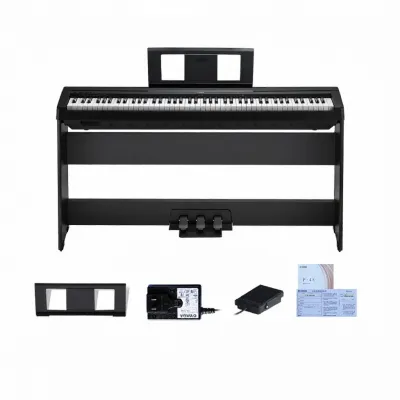
Portable digital pianos, most notably represented by the Yamaha P (Portable) series, are designed for flexibility and compact living. These instruments feature a slim, lightweight chassis that can be placed on a temporary folding stand or even stored away when not in use. They are highly popular among students living in cozy apartments or shared rooms where dedicated floor space is at a premium. While they are easy to move, you can also purchase matching wooden stands and three-pedal units separately to give them a more permanent, piano-like appearance.
Products mentioned in this guide
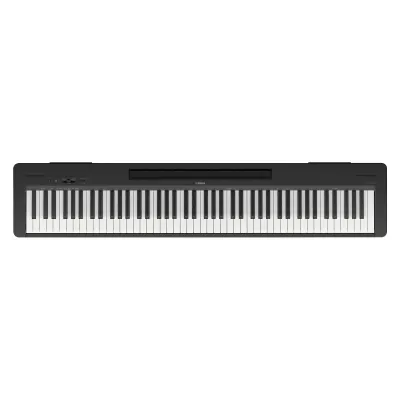
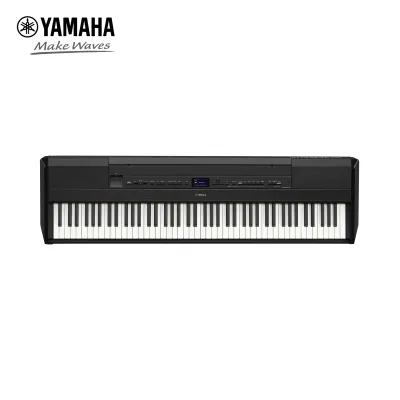
![Yamaha P-143BT Portable Digital Piano 88 Weighted Keys Bluetooth Beginners Instrument P143 P-143 [LIMITED STOCK]](https://img.lazcdn.com/g/p/5db2ada92dc8a33ee8382f610822149b.jpg_400x400q80.jpg_.webp)
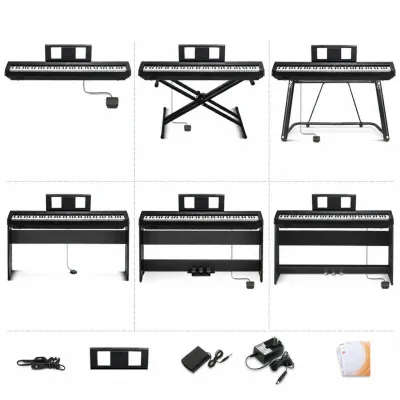
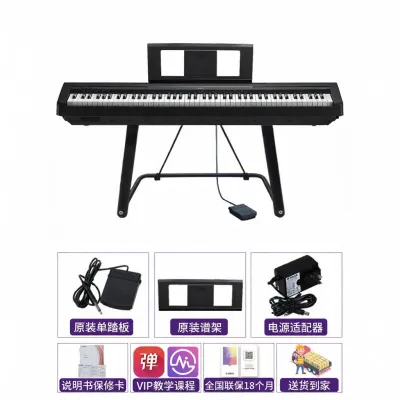
![Yamaha NP-15 Portable Keyboard Piano 61-Key Black/White Piaggero Digital Musical Instrument NP15 [LIMITED STOCK]](https://img.lazcdn.com/g/p/0ec95af5f3240a6cd4d0139cd77da0f4.jpg_400x400q80.jpg_.webp)
Prices are valid at publication and may change. Please refer to the product page for the latest price.
In contrast, furniture-style console digital pianos, such as the Yamaha Arius (YDP) series, are built as integrated wooden cabinets. These instruments are designed to look and feel like traditional acoustic spinet or upright pianos, complete with built-in sliding key covers, integrated music rests, and a fixed three-pedal lyre. Console pianos serve as a permanent piece of furniture in your living room or study. They generally offer larger, cabinet-enclosed speaker systems that can produce a richer, more resonant sound, but they require a dedicated, permanent footprint and are much heavier to relocate.
When exploring these lines, it is crucial to note that exact model numbers, generations, and specific feature sets change over time. Yamaha frequently updates its product catalog with new iterations that introduce improved sound engines or updated key actions. To ensure you are looking at the most current options and accurate specifications, always verify the latest model designations on the official Yamaha Singapore website or by consulting an authorized local dealer.
Essential Features to Evaluate for a Beginner
When evaluating any digital piano, certain technical specifications directly impact how well the instrument prepares you for playing a traditional acoustic piano. As a beginner, focusing on these core elements will help you avoid instruments that might hinder your finger strength or technique development.

The most critical feature to evaluate is the key action. Acoustic pianos use a complex system of hammers and felt to strike strings, which creates a distinct physical resistance when you press a key. To replicate this, beginner digital pianos should feature fully weighted keys rather than semi-weighted or unweighted keyboard keys. Yamaha utilizes various graded hammer actions across its beginner lines, such as Graded Hammer Standard (GHS) or newer proprietary actions. “Graded” means the keys feel heavier in the lower register and lighter in the higher register, mimicking an acoustic piano. Checking the manufacturer’s official specifications for these hammer action descriptions ensures you are purchasing an instrument that builds proper finger strength and control.
Another vital specification is polyphony, which refers to the maximum number of individual notes or voices the piano can sound simultaneously. When you play a fast passage or hold down the sustain pedal, notes continue to ring out; if your piano has low polyphony, older notes will be abruptly cut off to make room for new ones. For a beginner, a minimum of 64-note polyphony is acceptable for basic pieces, but 128-note or 192-note polyphony is highly recommended to accommodate expressive pedaling and layered sounds as your skills progress.
Modern connectivity options also play a significant role in the modern learning experience. Look for instruments equipped with a USB-to-Host port or Bluetooth MIDI capabilities. These interfaces allow you to connect the digital piano directly to a tablet, computer, or smartphone, enabling the use of interactive learning apps, sheet music readers, and music production software. Additionally, ensure the model has dedicated headphone jacks (ideally two, for student and teacher) to allow for silent practice at any hour without disturbing your household or neighbors.
Matching the Piano to Your Space, Budget, and Goals
Choosing the right digital piano requires a realistic assessment of your home environment, financial plan, and personal musical aspirations. In Singapore, where residential space is often carefully optimized, these practical considerations are just as important as the technical specifications of the instrument.
Space planning is often the deciding factor between a portable model and a console cabinet. If you reside in a typical HDB flat or condominium, measure your intended practice area carefully. A portable digital piano on a folding X-stand or double-brace stand offers the ultimate spatial flexibility, as it can be tucked against a wall or stored in a closet when hosting guests. However, if you have a dedicated corner or a study, a console model from the Arius line provides a stable, wobble-free playing experience and keeps the instrument always ready for practice, which can encourage more frequent sessions.
When planning your budget, look beyond the price tag of the piano itself. It is wise to allocate your total budget in S$ to cover both the instrument and essential accessories. If you choose a portable model, you may need to purchase a sturdy stand, a comfortable bench, a sustain pedal, and a quality pair of over-ear headphones separately. Console models often come bundled with a matching bench and integrated pedals, but you will still want to budget for a good pair of headphones for silent practice. Balancing these costs upfront prevents unexpected expenses later.
Your long-term musical goals should also dictate your choice. If you are testing the waters or buying for a young child whose commitment is uncertain, a basic, entry-level portable model provides an excellent, cost-effective starting point. However, if you are highly committed to classical training or plan to progress through formal graded exams, investing in an intermediate-spec model with a more advanced key action and higher polyphony from the start can save you money in the long run by delaying the need for an upgrade.
Pre-Purchase Checklist for Buying in Singapore
Before finalizing your purchase, running through a localized checklist ensures that your digital piano is fully compatible with your home setup and backed by reliable local support.
First, always verify the authorized dealer status of the retailer you are purchasing from. Buying through official channels ensures that your instrument is covered by a valid local warranty in Singapore. Parallel imports or grey-market units might appear slightly cheaper upfront, but they often lack local warranty coverage, leaving you responsible for expensive shipping and repair costs if a component fails. Authorized dealers also provide access to official service centers and genuine replacement parts.
Second, check the power supply specifications of the instrument. Singapore’s electrical grid operates on a standard voltage of 230V at a frequency of 50Hz, utilizing Type G (three-pin) power plugs. Ensure that the AC power adapter included with your digital piano is rated for this voltage and comes with a safety-certified local plug. Using incorrect adapters or step-down transformers can damage the internal electronics of your piano and pose safety hazards.
Finally, confirm the exact contents of the retail package before paying. Retail bundles can vary significantly between different stores and promotional periods. Double-check whether essential items like the music rest, a basic sustain pedal (often a small plastic footswitch), the power adapter, and a bench are included in the listed price, or if they must be purchased as separate add-ons. Knowing exactly what is in the box helps you avoid the disappointment of unboxing your new piano only to find you cannot sit down or sustain notes immediately.
Frequently Asked Questions (FAQ)
Do I need to tune a Yamaha digital piano?
No, digital pianos do not require acoustic tuning. Unlike traditional acoustic pianos, which rely on physical strings under high tension that stretch and shift with changes in temperature and humidity, digital pianos produce sound electronically using recorded samples or physical modeling. This means your instrument will always remain perfectly in tune. However, you should still perform basic maintenance to keep it in top condition, such as dusting the keys regularly with a soft, dry microfiber cloth, keeping liquids far away from the console, and periodically checking that all power and pedal cable connections are secure.
Can I use a beginner digital piano for formal piano exams?
Yes, you can use a beginner digital piano for daily practice and preparation, but you must verify the specific regulations of your chosen examination board, such as ABRSM or Trinity College London. Most exam boards require that candidates practice on an instrument with 88 fully weighted keys and a functional sustain pedal. While high-quality digital pianos are widely accepted for early grades and online video exams, some advanced practical exams may still require performance on an acoustic instrument. It is always best to consult the current official syllabus of the exam board to ensure your practice instrument meets their exact criteria.
How do I connect my digital piano to learning apps?
To connect your digital piano to educational software or interactive learning apps, you must first check the physical ports on the back or bottom of your instrument. Most modern Yamaha digital pianos feature a USB-to-Host port, which requires a standard USB cable (often a USB Type-B to USB Type-A or Type-C cable, depending on your tablet or computer). Some models also support wireless Bluetooth MIDI connections. Once you have identified the connection method, consult the official compatibility list of the specific learning app you plan to use to ensure your digital piano model and operating system are fully supported.

Community discussion
Share your experience or ask a question. Comments are reviewed before publication.