
Starting your musical journey with a digital piano is an exciting milestone, but choosing the right instrument can feel overwhelming. Among the most frequently recommended entry-level instruments are two prominent models from Yamaha’s portable line: the P-125 and the P-45. Both instruments have earned a reputation for reliability, but they cater to slightly different beginner needs, budgets, and long-term aspirations.
For a beginner, the decision often comes down to balancing immediate affordability with the features required to support your learning over several years. While both models share a similar aesthetic and portable design, their internal components, sound engines, and connectivity options differ in ways that directly impact your daily practice. Understanding these differences before visiting a local showroom will help you make a choice that aligns with your musical goals and living space.
Key Specifications to Verify Before Buying
Before making a purchase, it is essential to consult the official manufacturer specification sheets to compare the technical capabilities of each model. Digital piano specifications can change with different regional releases or product iterations, making direct verification from authorized sources the safest approach. Pay close attention to the polyphony limits, the number of built-in instrument voices, and the total speaker wattage listed for each model.
Products mentioned in this guide
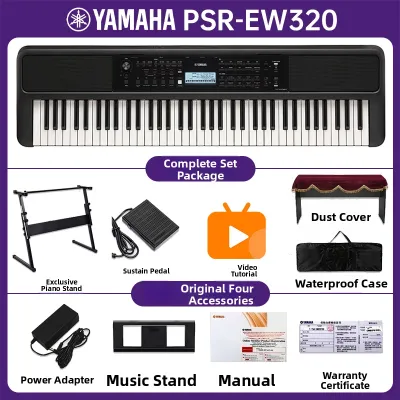
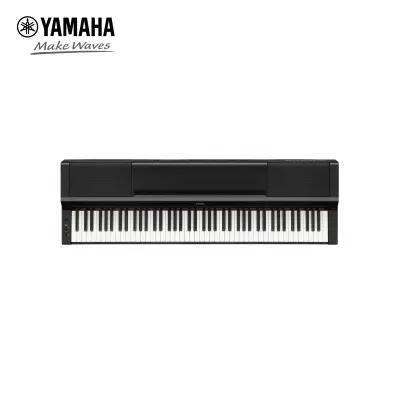
Prices are valid at publication and may change. Please refer to the product page for the latest price.
One of the most critical physical components to verify is the keyboard action mechanism. Both the P-125 and the P-45 are widely noted for utilizing Yamaha’s Graded Hammer Standard (GHS) keyboard action. This mechanism is designed to mimic the feel of an acoustic piano by providing a heavier touch in the lower keys and a lighter touch in the higher register. However, you should confirm this specification on the official product pages to ensure no regional variations exist in the stock you are browsing.
Physical dimensions and weight are equally crucial factors, especially when planning the layout of a typical Singaporean home where space optimization is key. Measure your designated practice area carefully and compare it against the official width, depth, and height specifications of both instruments. Additionally, check the weight of the keyboard unit itself if you plan to store it away when not in use or transport it to lessons and performances.
Sound, Polyphony, and Practice Features
The sound engine and polyphony of a digital piano play a fundamental role in how realistic the instrument feels and sounds as you progress. Polyphony refers to the maximum number of individual notes or voices the piano can produce simultaneously. For a beginner, high polyphony is vital because it prevents notes from cutting off abruptly when you play complex chords while holding down the sustain pedal. You should check the official spec sheets to compare the polyphony limits of both models, as a higher limit allows for more expressive playing as your repertoire grows.

The quality of the piano sound itself is determined by the sampling technology used in the sound engine. While both models aim to replicate the rich tone of a grand piano, they utilize different generations of sampling technology. Verify the specific sound engine details on the manufacturer’s website to understand how each model captures and reproduces acoustic resonance.
Beyond the primary piano sound, built-in practice features can significantly enhance your daily learning routine. Look for the availability of a built-in metronome, which is indispensable for developing a steady sense of rhythm. You should also check if the models offer a variety of built-in voices, such as electric pianos, organs, and strings, which can keep practice sessions engaging. Some models also include rhythm patterns or backing tracks that allow you to practice playing along with a virtual drummer, helping you build ensemble playing skills from the comfort of home.
Connectivity, Apps, and Recording Capabilities
Modern digital pianos offer a range of digital connectivity options that can transform how you learn and interact with music. When comparing these two models, check the input and output ports available on the back panel. A standard USB-to-Host port is essential for connecting the piano to a computer, tablet, or smartphone. This connection allows you to use interactive learning software, music notation programs, and digital audio workstations.
App integration is another area where these two models diverge significantly. Yamaha offers dedicated mobile applications, such as the Smart Pianist app, which provides an intuitive graphical interface to control the piano’s settings, select voices, and even display sheet music. You must verify the compatibility of each keyboard model with the current version of the Smart Pianist app on your specific mobile operating system, as some older or more basic models may have limited or no compatibility.
For students who want to monitor their progress, built-in recording capabilities are incredibly valuable. Being able to record your performance directly on the instrument allows you to listen back critically and identify areas that need improvement. Check whether each model supports onboard MIDI recording, audio recording, or both. MIDI recording captures the note data, which is highly editable, while audio recording captures the actual sound of the instrument, making it easier to share your music directly with family, friends, or teachers.
Accessories, Bundles, and Setup Requirements
When budgeting for a digital piano, it is important to look beyond the keyboard itself and consider the complete setup required for a proper playing experience. Start by verifying exactly what accessories are included in the retail box. Typically, you can expect a basic power adapter, a music rest, and a simple foot switch to serve as a temporary sustain pedal. However, these inclusions can vary by retailer and bundle package, so always confirm the contents before finalizing your purchase.
For a beginner, upgrading to a more substantial sustain pedal that resembles an acoustic piano pedal is often highly recommended. You should check the compatibility of optional accessories, such as dedicated wooden furniture stands and three-pedal units. Some models are compatible with custom-designed wooden stands and matching pedal boards, which provide a more stable, permanent setup resembling an upright piano. Other models may only support generic X-stands or single external pedals, which are more portable but less stable.
Additionally, factor in the cost of a comfortable, height-adjustable bench to ensure proper playing posture, which is essential for preventing strain during long practice sessions. If you live in a high-density residential area in Singapore, a high-quality pair of headphones is another indispensable accessory. Look for headphones with a comfortable over-ear design and a standard quarter-inch jack adapter to ensure compatibility with the piano’s headphone outputs, allowing you to practice silently at any hour without disturbing your household or neighbors.
Price, Value, and Long-Term Suitability
Evaluating the price and long-term value of these digital pianos requires a clear understanding of your personal budget and commitment level. You should check the current retail prices in S$ at authorized local music distributors or official online flagship stores, keeping in mind that prices can fluctuate based on promotions, stock availability, and bundled accessories. Avoid relying on third-party marketplace listings for standard pricing, as these may not include official local warranties.
While the entry-level model represents a lower initial investment, it is important to weigh this saving against the potential need for a future upgrade. If you choose a model with lower polyphony and fewer connectivity options, you may find yourself outgrowing its capabilities within a couple of years of serious study. Conversely, investing in the more advanced model upfront provides a broader range of features that can accommodate intermediate-level pieces and modern learning apps, potentially saving you the hassle and expense of selling and upgrading your instrument later on.
Consider also the resale value and overall durability of both models. Yamaha instruments generally maintain a stable reputation in the pre-owned market, but a model with more modern features and better connectivity is often easier to resell if you decide to upgrade or discontinue your studies. Assess your long-term musical goals honestly to determine whether the advanced features of the higher-tier model justify the additional upfront cost for your specific household.
Final Decision Framework: Which Model to Choose
To make your final decision, apply a structured framework based on your specific circumstances, space constraints, and learning preferences.
Choose the P-45 if:
- You are working with a strict budget and want to minimize your initial investment.
- Your primary goal is to have a simple, no-frills instrument with weighted keys to practice basic finger techniques.
- You do not require advanced app integration, built-in recording features, or a dedicated three-pedal furniture stand.
Choose the P-125 if:
- You want a more versatile instrument with a richer sound engine and higher polyphony to support your learning into the intermediate stages.
- You plan to use interactive learning apps like Smart Pianist to guide your practice sessions.
- You require onboard recording features to track your progress or want the option to install a matching wooden stand and three-pedal unit for a traditional piano look and feel.
Verify first if:
- You have sufficient space in your home for a permanent wooden stand setup, or if you require a highly portable keyboard that can be easily packed away.
- Your preferred local music retailer offers an official warranty and reliable after-sales support in Singapore.
- The specific learning apps or software you plan to use are fully compatible with the connection ports of your chosen model.
Frequently Asked Questions (FAQ)
Is the keyboard action exactly the same on both models?
To confirm the exact keyboard action mechanism used in each model, you should always refer to the official technical specifications provided by the manufacturer. While both the P-125 and the P-45 are designed with Yamaha’s Graded Hammer Standard (GHS) action, the physical playing experience can still feel slightly different between the two. This variation is often not due to the mechanical keys themselves, but rather how the internal sound engine responds to your touch and how the built-in speakers project the sound. Testing both models in person at a local showroom is the best way to evaluate how the keyboard action feels to your own hands.
Do I need an external audio interface to record my playing?
Whether you need an external audio interface depends entirely on the type of recording you wish to perform and the specific capabilities of your chosen digital piano. You should check the product specifications to see if the model features a built-in USB audio interface, which allows you to send high-quality digital audio directly to a computer or mobile device via a single USB cable. If a model only supports MIDI data transfer over USB, it will record your performance as digital notes rather than actual sound. To record the physical audio from a model without a built-in audio interface, you would typically need to connect the piano’s headphone or auxiliary outputs to an external audio interface connected to your computer.

Community discussion
Share your experience or ask a question. Comments are reviewed before publication.