
Finding the right cover size for a Yamaha piano depends entirely on the specific instrument category—whether it is an acoustic upright, a digital console, or a portable keyboard—as dimensions vary significantly even within the same model series. To get an accurate fit, you must measure the physical width, depth, and height of your specific instrument rather than relying on generic size labels. A properly fitted cover is essential for protecting sensitive keys, internal strings, and electronic components from dust, sunlight, and ambient humidity.
In regions with high humidity, such as Singapore, protecting a piano’s internal mechanisms is crucial for maintaining tuning stability and preventing key stickiness. A cover that is too tight can put pressure on delicate parts, while one that is too loose allows dust and moisture to seep in. Understanding the unique physical characteristics of your Yamaha model is the first step toward securing the right level of protection.
Why Yamaha Piano Models Require Different Cover Sizes
Yamaha manufactures a diverse range of keyboard instruments, each with distinct physical footprints. Acoustic upright pianos, such as the classic U1 or U3 series, feature tall, deep wooden cabinets designed to house vertical strings and action mechanisms. In contrast, digital console pianos like the Arius or Clavinova series are much slimmer, utilizing electronic sensors rather than physical strings, which significantly reduces their depth and height. Portable keyboards, such as the P-series, are highly compact and designed to sit on open stands, requiring a completely different style of dust cover.
Products mentioned in this guide
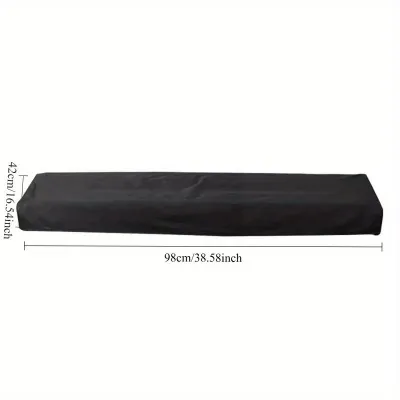

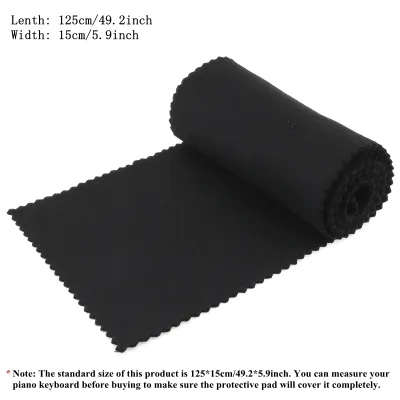

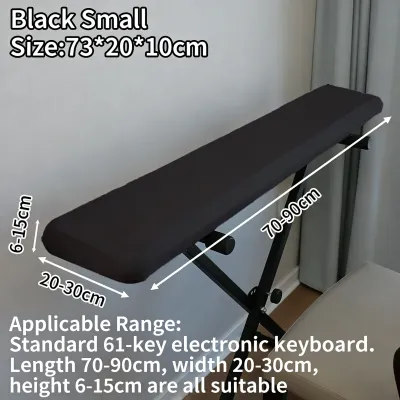
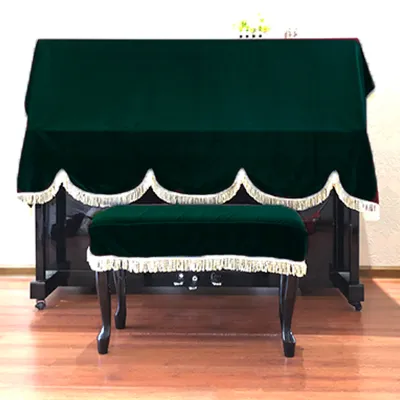
Prices are valid at publication and may change. Please refer to the product page for the latest price.
Design features unique to specific models also affect the required cover dimensions. For example, some digital consoles feature sliding key covers that retract into the cabinet, while others have folding lids that alter the instrument’s height when open. Angled music rests, protruding pedal boxes, and front leg columns further complicate the shape. A cover designed for a flat-top keyboard will not drape properly over an acoustic upright with a raised music desk.
Furthermore, minor dimension changes frequently occur between different generations of the same model series. A Clavinova model from a decade ago may have a slightly different cabinet profile, control panel layout, or music rest design compared to a current-generation equivalent. Assuming that all models within a product line share identical dimensions can lead to purchasing a cover that is either too tight to install or too loose to protect the keys.
How to Measure Your Yamaha Piano for the Perfect Fit
To determine the correct cover size, you must take three primary physical measurements using a standard measuring tape. Always measure your instrument while it is fully assembled and positioned in its usual playing location.

First, measure the width from the leftmost edge of the cabinet to the rightmost edge. For acoustic uprights, measure across the widest part of the top lid. For digital keyboards, measure from the outer edges of the side panels. Next, measure the depth from the very back of the piano to the frontmost edge of the keys or keybed. For acoustic models, ensure you include any protruding front leg columns or the forward edge of the keyboard shelf in this measurement.
Finally, measure the height. For acoustic upright pianos, measure vertically from the floor to the flat top surface of the cabinet. For digital console pianos or portable keyboards, measure from the base of the instrument body to the top surface, excluding the stand if you only intend to cover the keyboard unit itself. If you plan to cover both the keyboard and its integrated wooden stand, measure from the floor to the top of the instrument.
When taking these measurements, keep several crucial checkpoints in mind:
- Lid Position: Always measure with the main lid or key cover completely closed.
- Music Stands: If the music stand is fixed or cannot be folded flat, measure the height and depth with the stand in its upright position, or plan to remove it before covering.
- Pedal Boxes: For full-coverage acoustic covers, ensure the depth measurement accounts for the lower section of the piano, which may extend further forward than the top.
Once you have these three dimensions, add a small tolerance margin of approximately 1 to 2 centimeters to the width and depth. This extra space accounts for fabric thickness and seams, ensuring the cover can be slipped on and off smoothly without snagging on the corners of the cabinet.
Matching Your Measurements to Cover Styles and Materials
Selecting the right cover style depends on your measured dimensions and the level of protection your environment requires. Full-coverage, floor-length covers are standard for acoustic upright pianos, shielding the entire wooden cabinet from dust, scratches, and sunlight. For digital console pianos and portable keyboards, top-only half covers or keyboard-only dust caps are often more practical, as they protect the keys and control panel without draping all the way to the floor.
Material properties play a significant role in how strictly you must match your measurements. Stretchable spandex or nylon blends offer flexibility, allowing a single cover size to fit a range of similar keyboard models. However, these fabrics can press down on delicate music rests or control knobs. Rigid materials, such as quilted velvet, heavy cotton, or waterproof canvas, provide superior protection against physical impacts and spills but require highly precise measurements because they do not stretch.
For high-value acoustic pianos or premium digital consoles, custom-fit covers tailored to your specific model’s exact cabinet contours are highly recommended. If you opt for an adjustable universal cover, look for models with drawstrings, elastic edges, or adjustable straps. These features allow you to secure the fabric tightly around the base of the instrument, preventing dust from entering through loose gaps.
How to Verify Official Dimensions for Your Specific Model
Before purchasing a cover, it is wise to cross-check your physical measurements with the manufacturer’s official specifications. To do this, you must first locate the exact model number of your instrument. On digital pianos and keyboards, this is typically printed on a label underneath the keybed, on the back panel, or near the power input. For acoustic upright pianos, the model and serial numbers are usually stamped onto the gold-colored iron plate inside the top lid.
Once you have the model number, consult the official Yamaha user manual or the product archive on the manufacturer’s website. These resources list the exact factory dimensions—width, depth, and height—down to the millimeter. Comparing your physical measurements with these official specifications helps identify any measurement errors you may have made.
Avoid relying solely on third-party retailer listings or online marketplace descriptions. These sources often round dimensions for shipping purposes or omit structural protrusions like music rests, knobs, or pedal assemblies. Verifying the dimensions directly through official manufacturer documentation ensures you select a cover that fits your specific Yamaha model accurately.
Frequently Asked Questions (FAQ)
Can I use a universal stretch cover for a Yamaha digital piano?
Universal stretch covers can provide basic dust protection for portable Yamaha keyboards, but they are generally not suitable for digital console models with fixed wooden cabinets. The tension of stretch fabrics can pull tightly over sharp corners, causing the material to wear out prematurely. Additionally, stretch covers can apply constant pressure to plastic music rests or control knobs, potentially causing damage over time. For console models, a tailored, non-stretch cover is a safer choice.
Do I need to measure the bench separately for a matching cover?
Yes, piano benches require separate measurements because they are sold independently and vary widely in size. Standard piano covers only protect the instrument itself and do not include coverage for the bench. To find a matching bench cover, measure the length and width of the bench seat, as well as the thickness of the cushion if you are purchasing a slip-on padded cover. If the bench has an adjustable height mechanism, measure it at your preferred playing height.

Community discussion
Share your experience or ask a question. Comments are reviewed before publication.