
Choosing your first music keyboard is a highly personal decision, as no single brand universally outperforms the others for every beginner. The ideal choice depends entirely on your specific learning goals, available home space, and budget. Yamaha, Casio, and Roland each approach entry-level instruments with distinct design philosophies, balancing realistic key feel, sound variety, and interactive learning tools differently. By understanding these core differences, you can select an instrument that keeps you motivated and fits seamlessly into your daily practice routine.
Developing proper playing habits starts with selecting an instrument that matches your musical direction. While some beginners prefer a lightweight, portable keyboard for casual playing, others require an instrument that closely mimics the physical response of an acoustic piano. Evaluating how each brand handles key action and sound generation will help you find a keyboard that feels natural and inspiring to play.
Key Action and Sound Quality: What Beginners Actually Feel
Key action is the physical response of the keys when pressed, which directly impacts how you develop finger strength and playing technique. Beginners typically choose between lightweight, spring-loaded synth-action keys and fully weighted hammer-action keys that mimic an acoustic piano. Yamaha often emphasizes a balanced, traditional resistance in their weighted models, aiming to replicate the feel of their acoustic grand pianos. Casio frequently focuses on slim, space-saving key mechanisms that offer a firm, responsive touch despite their compact profile. Roland is known for progressive tension designs that provide a highly expressive, tactile feel, which is particularly beneficial if you plan to transition to an acoustic piano later.
Products mentioned in this guide
![Casio CT-S1 Digital Keyboard [FREE X-STAND] Portable 61 Keys Musical Instrument for Beginners](https://img.lazcdn.com/g/p/34b2071d37fa9459c1aa31b1568e43b6.jpg_400x400q80.jpg_.webp)
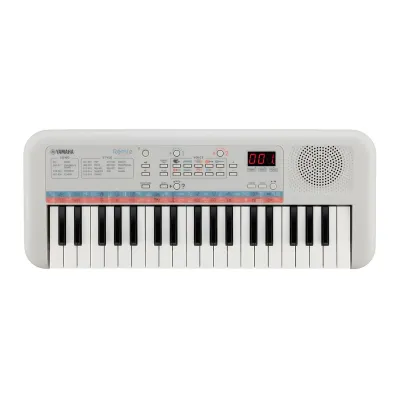
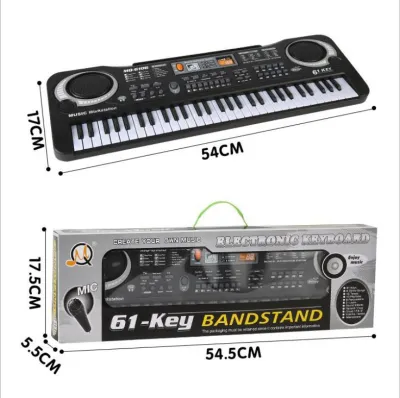
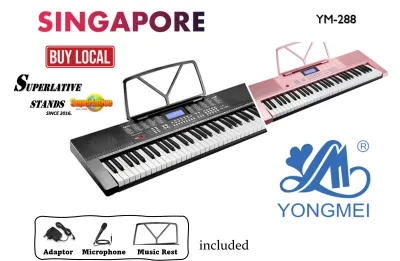
![[✅SG Ready Stock] 61 Key High Quality Music Keyboard Piano kids toys new player beginner Electric Piano](https://img.lazcdn.com/g/p/1f34b80fc1c4ffa462a06ed0ad2ca2fd.jpg_400x400q80.jpg_.webp)
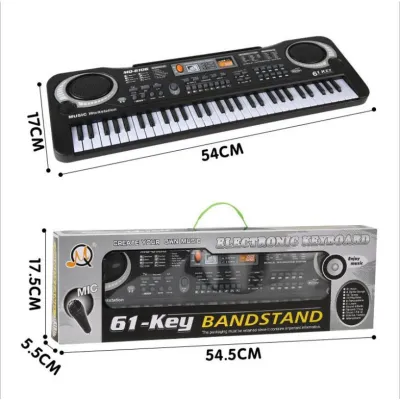
Prices are valid at publication and may change. Please refer to the product page for the latest price.
Sound quality is shaped by each brand’s proprietary audio technology. Yamaha instruments generally feature clean, bright acoustic piano samples recorded directly from their concert grands, making them excellent for classical and traditional training. Casio keyboards often prioritize a vast library of versatile digital tones, rhythms, and electronic sounds, which appeals to beginners who want to experiment with diverse musical genres and backing tracks. Roland utilizes advanced digital modeling alongside sampling, resulting in a warm, dynamic sound that responds naturally to how hard or soft you strike the keys.
Before making a purchase, use this checklist to verify the physical and audio specifications of your chosen model:
- Key Resistance: Test whether the keys are unweighted (very light), semi-weighted (slight resistance), or fully weighted (mimicking an acoustic piano).
- Polyphony Limit: Check the maximum polyphony (such as 48, 64, or 128 notes) to ensure notes do not cut off abruptly when playing complex chords with a sustain pedal.
- Speaker Output: Verify the wattage of the built-in speakers to ensure they provide clear sound at low volumes without distorting.
Learning Tools, Software Integration, and Connectivity
Modern music keyboards offer various built-in features designed to guide beginners through their first songs without requiring constant instructor supervision. Many entry-level models include step-by-step lesson suites that break down songs into left- and right-hand parts, waiting for you to play the correct note before advancing. Some keyboards also feature visual learning aids, such as lighted keys or on-screen notation, which help you quickly associate physical keys with musical notes. Onboard metronomes and simple recording functions also allow you to listen back to your practice sessions and track your progress over time.

Connectivity options expand your learning potential by linking the keyboard to external devices. Standard USB-MIDI ports allow you to connect the keyboard to a computer or tablet using a compatible cable, turning the instrument into a controller for educational software. Bluetooth connectivity, available on select mid-to-high-tier beginner models, allows for wireless audio streaming or MIDI data transmission, letting you play along with your favorite tracks or interactive apps without cable clutter.
Because software compatibility varies, always verify that the keyboard’s companion apps and wireless features are fully compatible with your specific mobile device, operating system version, and regional app store availability before finalizing your purchase.
Build Quality, Design, and Long-Term Value
The physical design of a beginner keyboard determines how well it withstands daily practice and fits into your living space. Entry-level models typically feature lightweight plastic chassis designs. While plastic keeps the instrument portable, the quality of the casing and the durability of the buttons vary. Some brands opt for minimalist, sleek control panels with fewer physical buttons, relying instead on key combinations or mobile apps to change settings. Others feature robust, tactile buttons and clear LCD screens that make navigation straightforward during practice sessions.
In Singapore, where living spaces like HDB flats require smart space utilization, the physical footprint and weight of the keyboard are crucial considerations. A compact, lightweight keyboard can be easily stored in a closet or under a bed when not in use. Additionally, consider the power options: models that run on both batteries and a standard power adapter offer greater flexibility for practicing in different areas of your home. You should also pay attention to speaker placement, as rear-facing speakers may sound muffled if the keyboard is pushed directly against a concrete wall. In Singapore’s humid climate, choosing an instrument with well-sealed buttons can also help prevent moisture from affecting internal contacts over time.
To protect your investment, always verify the local warranty terms and the location of authorized service centers in Singapore. Be sure to check what accessories are included in the box, as some packages omit essential items like a sustain pedal, a music rest, or a sturdy keyboard stand, which you may need to purchase separately.
How to Choose: Decision Framework for Beginners
To simplify your decision, consider how each brand’s strengths align with your personal circumstances and musical aspirations.
Choose Yamaha if you prioritize a traditional piano-learning pathway, prefer bright and authentic acoustic piano sounds, and want an instrument backed by a long history of classical music education. This path is ideal if you plan to take formal graded exams and want a familiar, reliable key response.
Choose Casio if you have limited space, are working with a flexible budget, or want interactive visual aids like lighted keys to make early practice engaging. This option is highly suited for casual hobbyists, young learners, or anyone needing a portable instrument that is easy to move around a Singapore home.
Choose Roland if you want a highly expressive, modern digital instrument with advanced connectivity options and a sound engine that scales with your skills. This is a strong choice if you are interested in modern music production, value wireless app integration, or want an instrument that you will not quickly outgrow as your technique improves.
Verify first if you are purchasing the keyboard for a specific school curriculum or music school, as instructors may require a minimum number of keys or specific pedal inputs. Additionally, ensure the power adapter supplied is compatible with Singapore’s standard voltage and plug type, especially when ordering from international online marketplaces.
Frequently Asked Questions (FAQ)
Do I need an 88-key keyboard to start learning?
You do not strictly need an 88-key keyboard to begin your musical journey. A 61-key keyboard is generally sufficient for learning basic melodies, finger exercises, and simple pop chords, making it a practical, space-saving option for the first year of study. However, if your goal is to study classical piano or master advanced two-handed pieces, an 88-key keyboard with weighted keys is necessary to develop the proper finger strength and technique required for traditional piano literature.
Can I use these keyboards with third-party learning apps?
Yes, most modern beginner keyboards can connect to popular third-party learning apps. This connection is typically established using a standard USB-MIDI cable connected to your tablet or computer, or wirelessly via Bluetooth MIDI if the keyboard supports it. Before purchasing, always check the official compatibility list of your preferred learning app to confirm that your specific keyboard model is fully supported and that you have the correct adapter cables for your device.

Community discussion
Share your experience or ask a question. Comments are reviewed before publication.