
To begin your journey toward passing the HSK 1 exam, you need a small but highly focused set of resources: a core textbook, a matching workbook, a digital dictionary, and a spaced repetition flashcard application. These four pillars form the foundation of your study routine, helping you master the basic vocabulary, grammar, and listening skills required to pass the first level of the Chinese proficiency test.
While the market is filled with countless study guides, apps, and video courses, overloading yourself with materials can lead to decision fatigue and fragmented learning. By selecting high-quality, compatible tools that align with your personal learning style, you can streamline your study process and build a reliable path to exam success.
Building Your HSK 1 Starter Kit
An effective HSK 1 starter kit balances structured paper-based learning with flexible digital tools. For a complete beginner, the mandatory core materials consist of a comprehensive textbook and its corresponding workbook. These physical or digital books provide the curriculum, grammatical explanations, and structured exercises necessary to understand how the language works. A reliable digital dictionary is also essential for looking up unfamiliar words, verifying pronunciation, and checking stroke orders.
Products mentioned in this guide
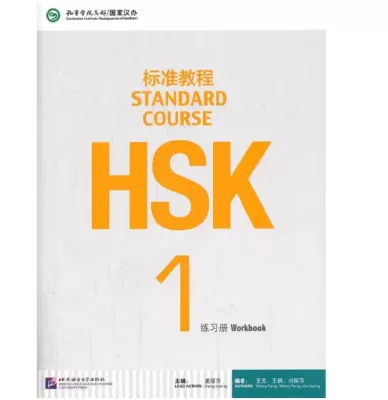
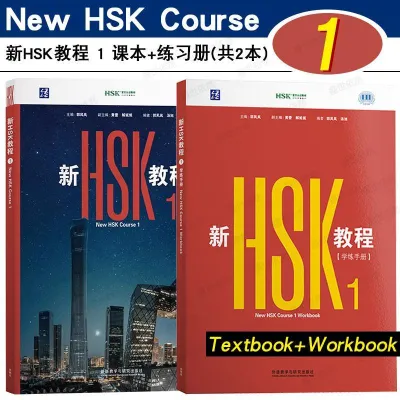
![(Paperback) [New product] NEW HSK 1 2 3 HSK 3.0 adult or kid book workbk (English & Chinese Ed) HSK1](https://img.lazcdn.com/g/ff/kf/S44e68aec8a34490886e93b5ff1279b66k.jpg_400x400q80.jpg_.webp)
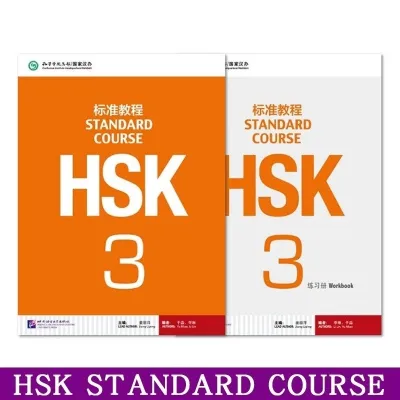
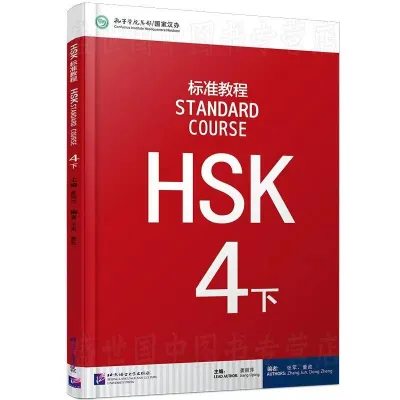
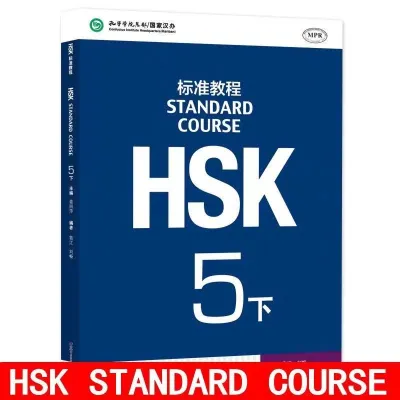
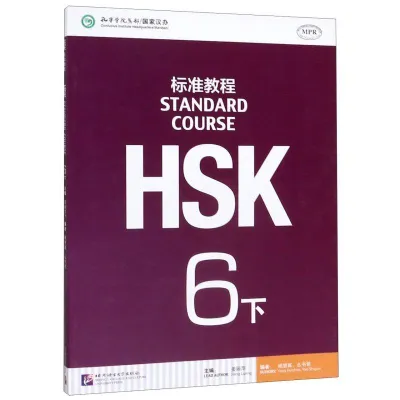
Prices are valid at publication and may change. Please refer to the product page for the latest price.
Optional supplements can be introduced once you establish a consistent study habit. These include graded readers designed for absolute beginners, dedicated character writing grids, and premium language learning applications. While these tools are highly beneficial, they should support your core textbook rather than replace it. Attempting to use multiple primary textbooks simultaneously often leads to confusion, as different publishers introduce vocabulary and grammar points in varying sequences.
When selecting your materials, it is important to consider the ongoing transition between different HSK testing standards. The classic HSK system testing structure is widely recognized, but updated standards are gradually being introduced globally. For an HSK 1 candidate, the core foundational vocabulary—such as basic pronouns, numbers, and everyday nouns—remains largely consistent across both standards. However, verifying which standard your local test center uses will help you choose books that align precisely with your intended exam.
To master HSK 1, consistency is far more valuable than marathon study sessions. Setting aside 20 to 30 minutes of focused daily study is typically sufficient to complete the curriculum within two to three months. This daily commitment allows your brain to process new tones, characters, and sentence structures without causing cognitive overload.
Your financial commitment can also remain highly manageable. In Singapore, a realistic budget for a brand-new physical textbook and workbook set typically ranges from S$15 to S$40 when purchased from local bookstores or online marketplaces. Digital dictionary apps and basic flashcard tools are widely available for free, while premium interactive learning platforms may require a subscription of S$5 to S$15 per month if you choose to access their advanced features.
How to Choose Your Core HSK 1 Textbook
Your core textbook serves as the roadmap for your entire study plan. The first decision you must make is choosing between a structured classroom coursebook and a dedicated self-study guide. Classroom coursebooks are highly academic and designed to be used under the guidance of an instructor. They often feature minimal English explanations, relying instead on classroom activities and teacher-led drills. If you are studying independently, a self-study guide is generally more appropriate, as it provides detailed bilingual explanations, cultural context, and self-assessment keys.

Before purchasing any textbook, there are several critical features you must verify to ensure it supports independent learning:
- Accessible Audio Tracks: Listening comprehension makes up half of the HSK 1 exam. Ensure the textbook includes high-quality audio recordings of all dialogues, vocabulary lists, and listening exercises.
- Clear Pinyin Integration: Pinyin, the romanization system for Chinese characters, is vital for beginners. The textbook should display pinyin clearly alongside or directly above the Chinese characters in the early chapters, helping you associate sounds with written forms.
- Character Writing Grids: Look for books that introduce basic stroke orders and provide grid spaces for practicing character writing. This helps build the muscle memory required to recognize and write characters accurately.
- Natural English Translations: The grammar explanations must be clear and written in natural English. Avoid books that use overly technical linguistic jargon or literal translations that make simple sentence structures unnecessarily difficult to understand.
Finally, you must check if the textbook’s vocabulary list aligns with the specific HSK version you intend to take. The classic HSK 1 exam requires a mastery of 150 words, while newer standards introduce a larger vocabulary set for the beginner level. Most reputable publishers state clearly on the cover or in the introduction which version of the syllabus the book targets. Reviewing the table of contents or the index at the back of the book will help you confirm that the vocabulary matches your exam requirements.
Selecting Workbooks and Practice Materials
While textbooks introduce new concepts, workbooks and practice materials are where actual learning retention occurs. It is highly recommended to purchase the official workbook that directly accompanies your chosen textbook. These companion workbooks are designed to mirror the structure of the textbook chapters, allowing you to practice the exact vocabulary and grammar points you have just learned.
As you progress, you will need to distinguish between daily skill-specific workbooks and official mock exam papers. Skill-specific workbooks focus on reinforcing individual components of the language, such as character stroke order, reading comprehension, or listening drills. Mock exam papers, on the other hand, simulate the actual test environment. These papers are invaluable during the final weeks of your preparation, as they help you get used to the timing, formatting, and instructions of the real exam.
When evaluating workbooks, pay close attention to the quality of the answer keys. A basic answer key that only provides letters (such as A, B, or C) offers limited educational value when you make a mistake. Look for workbooks that include detailed explanations for grammar questions and complete transcriptions of all listening exercises. Having access to the written script of a listening passage allows you to identify exactly which words or tones you missed during the exercise.
Graded readers and dedicated character-writing books should be introduced strategically. Graded readers are short stories written using a highly restricted vocabulary. For HSK 1 students, look for readers specifically marked for the 150-word level. Introducing these stories after you have mastered approximately half of your core vocabulary will boost your reading confidence and show you how words function in a natural narrative context. Character-writing books can be introduced from day one to help you master basic stroke rules, which in turn makes character recognition much easier.
Essential Digital Tools and Apps for Beginners
Digital tools are excellent companions to physical books, offering portability and interactive features that paper cannot match. The most critical digital tool for any beginner is a dedicated dictionary application. When evaluating dictionary apps, prioritize those that offer a robust offline mode, allowing you to look up words while commuting on the MRT or in areas with poor cellular reception.
An excellent dictionary app should also feature stroke order animations, showing you exactly how to write each character step-by-step. Additionally, look for apps that tag words with their respective HSK levels. This feature allows you to filter out advanced vocabulary and focus your energy entirely on the words relevant to the HSK 1 exam.
Flashcard applications utilizing spaced repetition systems (SRS) are highly effective for vocabulary memorization. Spaced repetition algorithms track how well you remember each word and schedule reviews at the precise moment you are about to forget them. Before committing to an SRS app, verify if you can easily import pre-made flashcard decks that match your specific textbook. Creating your own digital decks can be a useful active-learning exercise, but pre-made decks save significant time and ensure you are studying the correct definitions and audio pronunciations.
Audio and pronunciation tools are also vital for mastering the four tones of Mandarin. When choosing apps for pronunciation practice, ensure they use high-quality recordings of native speakers rather than synthetic text-to-speech voices. Synthetic voices often lack natural intonation and can mislead beginners. Some modern apps offer speech recognition features that analyze your spoken tones and provide feedback. While these tools are helpful for basic practice, treat their assessments as general guides rather than absolute measures of accuracy, as background noise and microphone quality can affect the results.
Pre-Purchase Checklist: Verifying Editions and Compatibility
Before finalizing your purchases and spending your hard-earned money, it is essential to run through a quick verification process. This prevents the frustration of receiving outdated, incompatible, or incomplete study materials that do not align with your study goals.
First, verify the publication dates and edition numbers of your chosen books. Publishers frequently update their textbooks to correct errors, improve layout, or align with updated testing guidelines. Check the product details on the online marketplace or the copyright page of the physical book. Ensure that the textbook and the workbook you are buying are from the same edition; using a third-edition textbook with a second-edition workbook can lead to mismatched chapters, differing vocabulary lists, and confusing exercise references.
Next, verify how digital access is provided for physical books. Many older textbooks bundled audio CDs inside the back cover. If your laptop or home computer does not have a CD drive, these discs will be highly inconvenient to use. Look for modern editions that provide digital access codes, companion website links, or QR codes printed directly on the pages. These features allow you to stream or download the audio tracks directly to your smartphone or tablet, making it easy to practice listening comprehension wherever you are.
Finally, perform a device compatibility check for any digital tools, e-books, or app subscriptions you plan to use. If you prefer studying on an e-reader, verify that the e-book format displays Chinese characters and pinyin correctly without formatting errors. For mobile applications, check if the software is compatible with your device’s operating system and if your progress syncs seamlessly between your phone, tablet, and desktop computer. Taking a few minutes to verify these details ensures a smooth, uninterrupted learning experience.
Frequently Asked Questions (FAQ)
Do I need to buy physical books, or are digital versions enough for HSK 1?
While digital versions offer excellent portability and instant audio integration, physical books are highly recommended for the HSK 1 level, particularly for mastering character writing. Writing characters by hand on paper builds muscle memory and cognitive connections that typing on a screen cannot replicate. Physical books also help reduce screen fatigue, allowing you to focus entirely on your studies without the constant distractions of digital notifications.
However, a hybrid approach often yields the best results. You can use physical textbooks and workbooks at your study desk at home to practice writing and complete structured lessons. Meanwhile, you can use digital tools, such as flashcard apps and dictionary software, on your phone for quick vocabulary reviews and listening practice during your daily commute or lunch breaks.
Can I use older HSK materials if the testing standards have recently updated?
Yes, you can absolutely use older HSK materials to build your foundational skills. The core vocabulary of HSK 1—including essential verbs, numbers, family members, and basic pronouns—remains virtually identical across different versions of the exam. The grammar rules governing simple sentence structures also do not change, meaning older textbooks remain highly effective for learning how to construct basic sentences.
If you choose to use older materials, simply be aware of potential gaps. You can supplement your study by downloading the official, updated vocabulary list online. Compare this list with the index of your older textbook to identify any new words or characters that you need to study independently. This allows you to take advantage of affordable, secondhand older books while still preparing thoroughly for the current exam format.

Community discussion
Share your experience or ask a question. Comments are reviewed before publication.